
Automatic vs Quartz vs Mechanical Watches Understanding the Differences, Pros, and Cons
Introduction: Automatic vs Quartz vs Mechanical Watches
Choosing between automatic, quartz, and mechanical watches is one of the first real decisions every watch enthusiast faces.
Each movement type represents a different philosophy of timekeeping — from precision-driven electronics to centuries-old mechanical craftsmanship.
In this guide, we break down how each movement works, what makes it unique, and who it’s actually for — beyond marketing buzzwords.
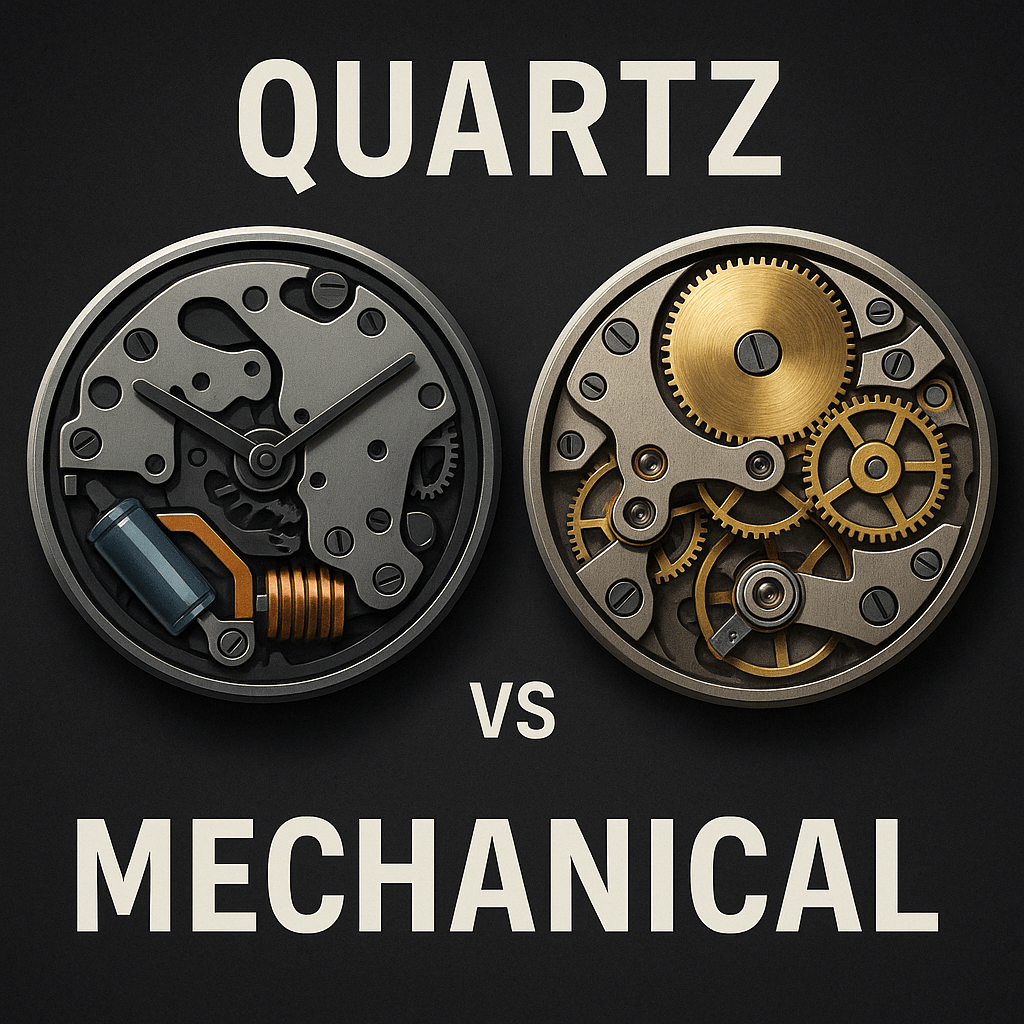
Quartz Watches
How They Work
Quartz watches are powered by a battery and a quartz crystal oscillator. When electricity passes through the crystal, it vibrates at a precise frequency — resulting in extremely accurate timekeeping.
Pros
- Extremely accurate (±15 seconds per month)
- Affordable and widely available
- Minimal maintenance
- Thin and lightweight designs
Cons
- Lacks mechanical complexity
- Battery replacement required
- Often less emotional appeal for collectors
Best For
✔ Everyday wear
✔ Those who value accuracy and simplicity
✔ People who don’t want maintenance
Mechanical (Hand-Wound) Watches
How They Work
Mechanical watches are powered entirely by a mainspring that must be wound manually. No battery, no electronics — just gears, springs, and precision engineering.
Pros
- Pure mechanical craftsmanship
- Strong historical and emotional value
- No battery required
- Often slimmer than automatics
Cons
- Must be wound regularly
- Less accurate than quartz
- More sensitive to shocks and magnetism
Best For
✔ Traditionalists
✔ Collectors who appreciate watchmaking heritage
✔ Those who enjoy ritual and interaction
Automatic Watches
How They Work
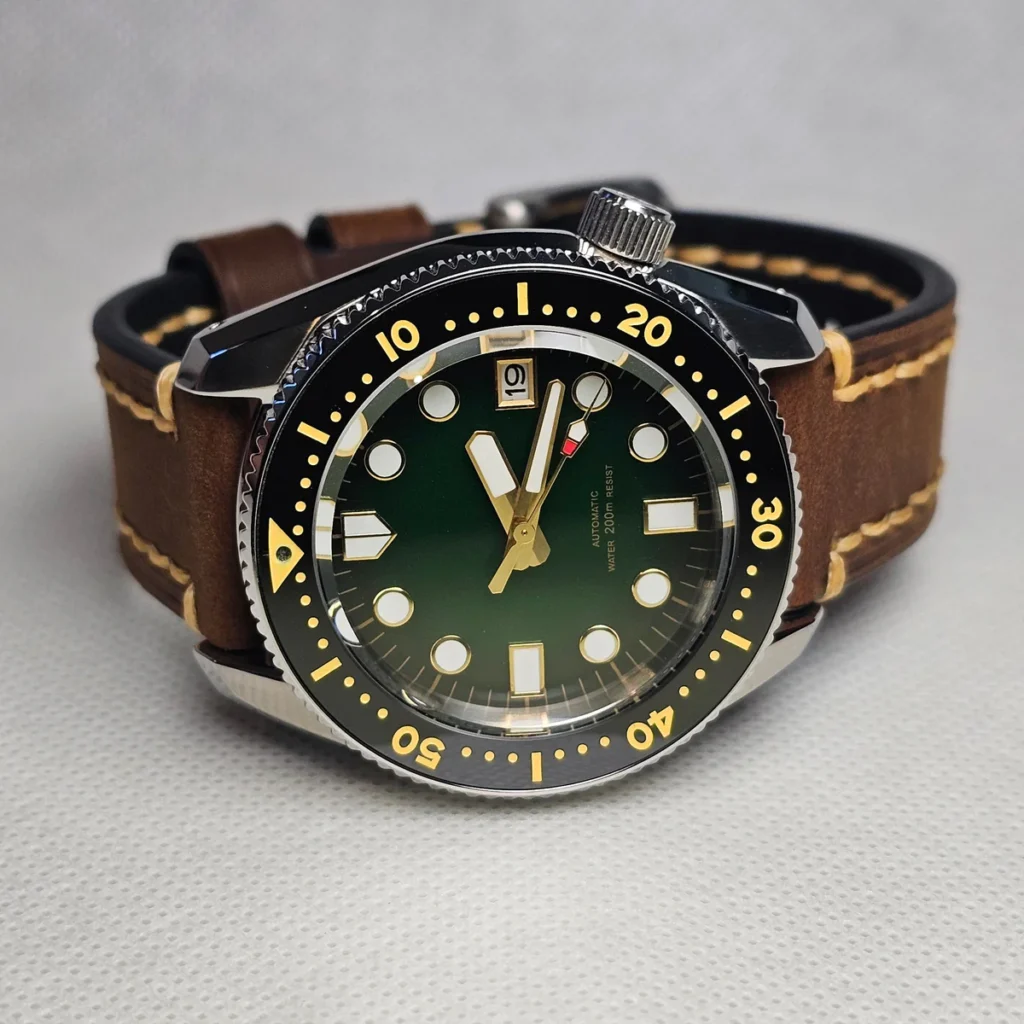
Automatic watches are mechanical watches that self-wind using a rotor, powered by the motion of your wrist.
Pros
- No battery required
- Mechanical complexity with daily convenience
- Strong enthusiast appeal
- Huge variety of designs and price ranges
Cons
- Less accurate than quartz
- Requires regular wear or a watch winder
- Typically thicker than quartz watches
Best For
✔ Enthusiasts and hobbyists
✔ Daily mechanical wear
✔ Those who want tradition without manual winding
| Feature | Quartz | Mechanical | Automatic |
|---|---|---|---|
| Power Source | Battery | Manual winding | Wrist motion |
| Accuracy | ⭐⭐⭐⭐⭐ | ⭐⭐ | ⭐⭐⭐ |
| Maintenance | Low | Moderate | Moderate |
| Thickness | Thin | Slim | Thicker |
| Enthusiast Appeal | Low | High | Very High |
🤔 Which One Should You Choose?
There’s no “best” movement — only what fits your lifestyle and expectations.
- Want accuracy and zero fuss? → Quartz
- Love tradition and craftsmanship? → Mechanical
- Want the best balance between heritage and usability? → Automatic
Many collectors eventually own all three.
Related Guides
- What Is Watch Modding?
- Automatic Watches Under $500
- Best Seiko Movements Explained
Affiliate Disclosure
Some links on this site may be affiliate links. This does not influence our opinions or conclusions. Editorial independence is fundamental to everything we publish.


Pingback: Automatic Watches Under $500 – What Actually Makes Sense