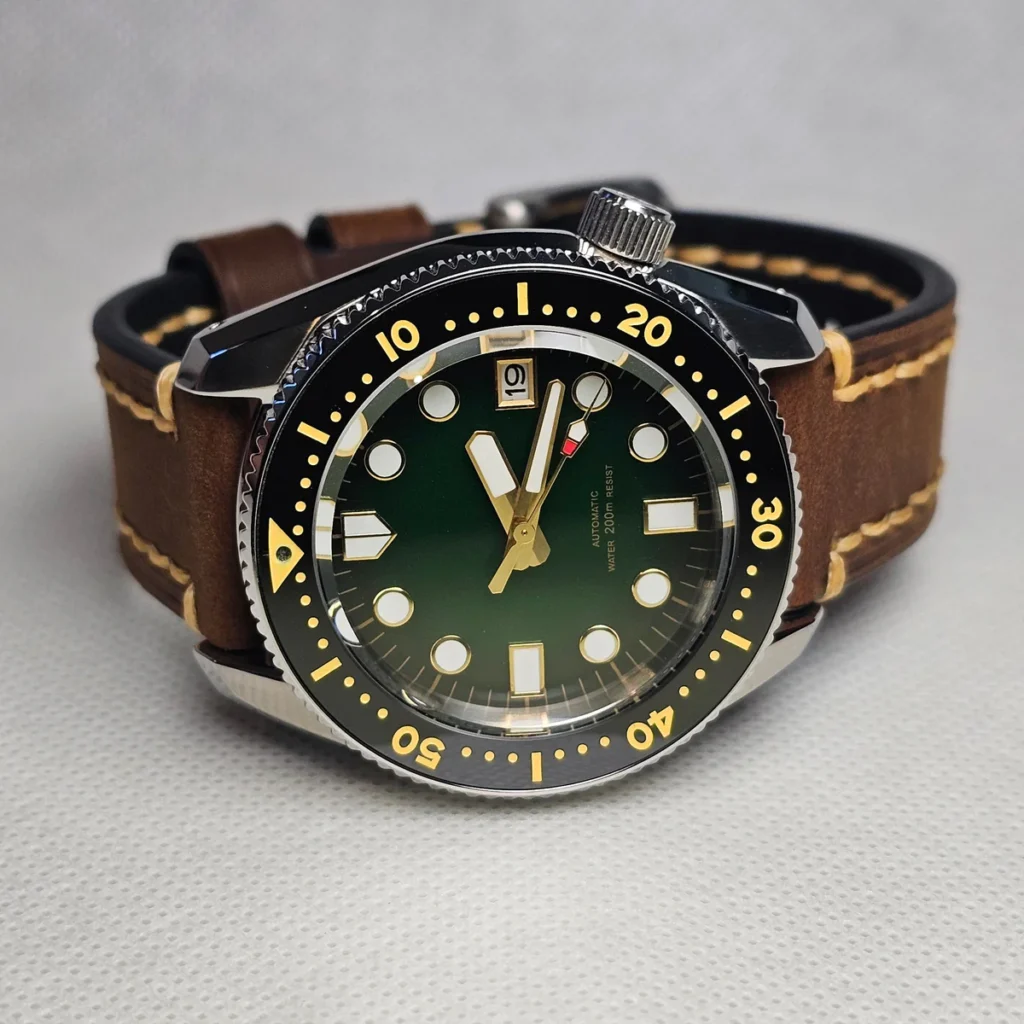
How to Start a Watch Collection (Without Wasting Money)
Starting a watch collection can feel overwhelming. There are thousands of brands, styles, movements, and price ranges to choose from.
This guide explains how to start a watch collection in a structured, intelligent way — without wasting money on impulse purchases or trend-driven hype.
Whether you’re buying your first mechanical watch or thinking long term, this is where you begin.
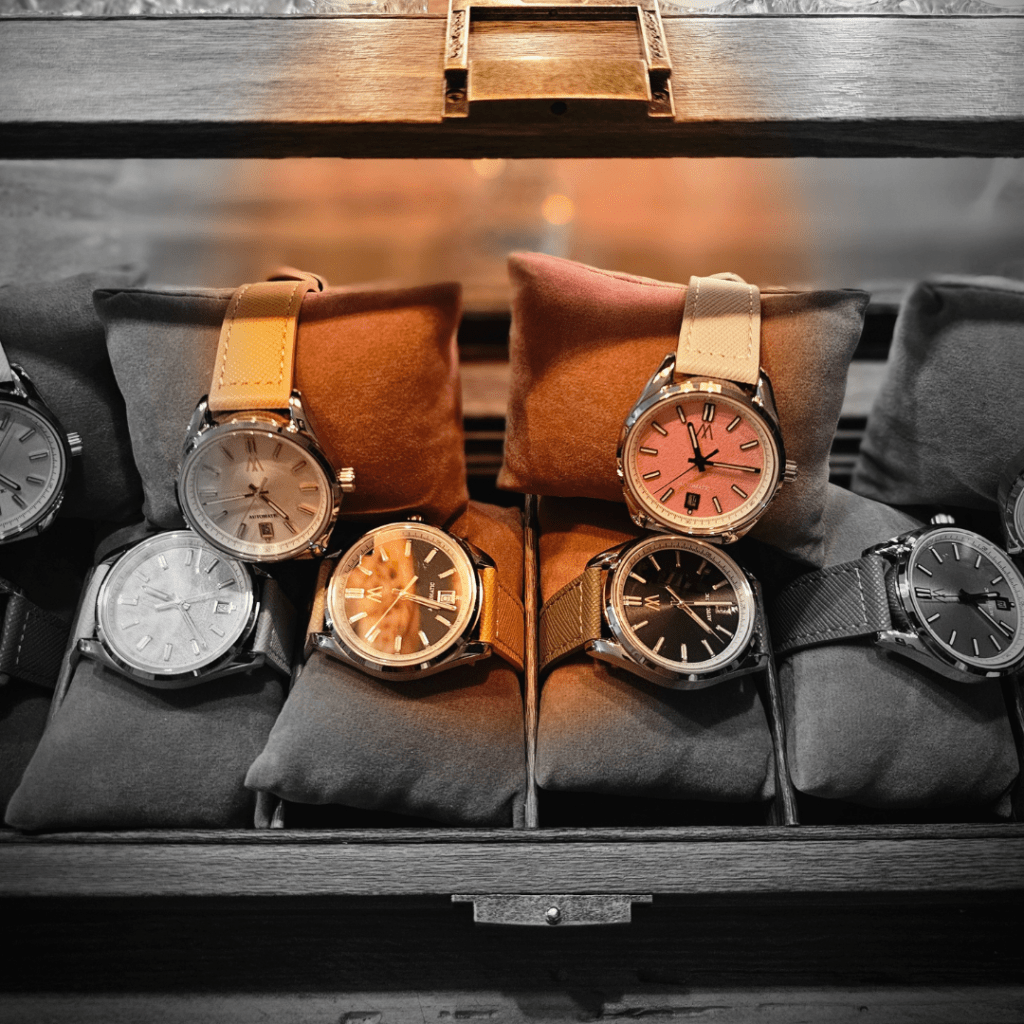
Step 1: Define Your Personal Style
Before buying anything, ask yourself:
- Do you prefer sporty or dressy?
- Minimalist or bold?
- Vintage-inspired or modern?
- Metal bracelet or leather strap?
A common beginner mistake is buying watches that look good online but don’t match your lifestyle.
Your first pieces should reflect how you actually dress.
Step 2: Set a Realistic Budget
You don’t need $10,000 to start a watch collection.
Many collectors begin between $300–$1,000 total.
Divide your budget across categories instead of spending everything on one piece.
For example:
- Everyday automatic
- Dress watch
- Sport/diver watch
If you’re exploring affordable automatic options, see:
👉 Automatic Watches Under $500 – What Actually Makes Sense
Step 3: Start With Versatile Pieces
Your first watch should be versatile enough to wear daily.
Look for:
- Neutral dial color (black, blue, silver)
- Stainless steel case
- Reliable automatic or quartz movement
- 38–41mm case size (safe range)
Avoid overly niche designs early on.
Build foundation first.
Experiment later.
Bonus Tips:
Build Slowly-
Patience Is the Collector’s Greatest Advantage
One of the biggest mistakes beginners make is buying multiple watches within the first few months.
Excitement leads to rapid purchases, regret follows.
Experienced collectors often follow a simple rule:
Wait 30 days before buying.
If you still want the watch after a month, it’s probably right for you.
Collecting slowly creates stronger emotional attachment and better long-term satisfaction.
Storage & Care –
Where Should You Store Your Watches?
A beginner collection doesn’t need expensive watch winders.
A simple drawer, watch box, or soft case works perfectly.
What matters more:
- Avoid humidity
- Avoid direct sunlight
- Store separately to prevent scratches
- Wind mechanical watches occasionally if not worn
Good care preserves both function and aesthetics.
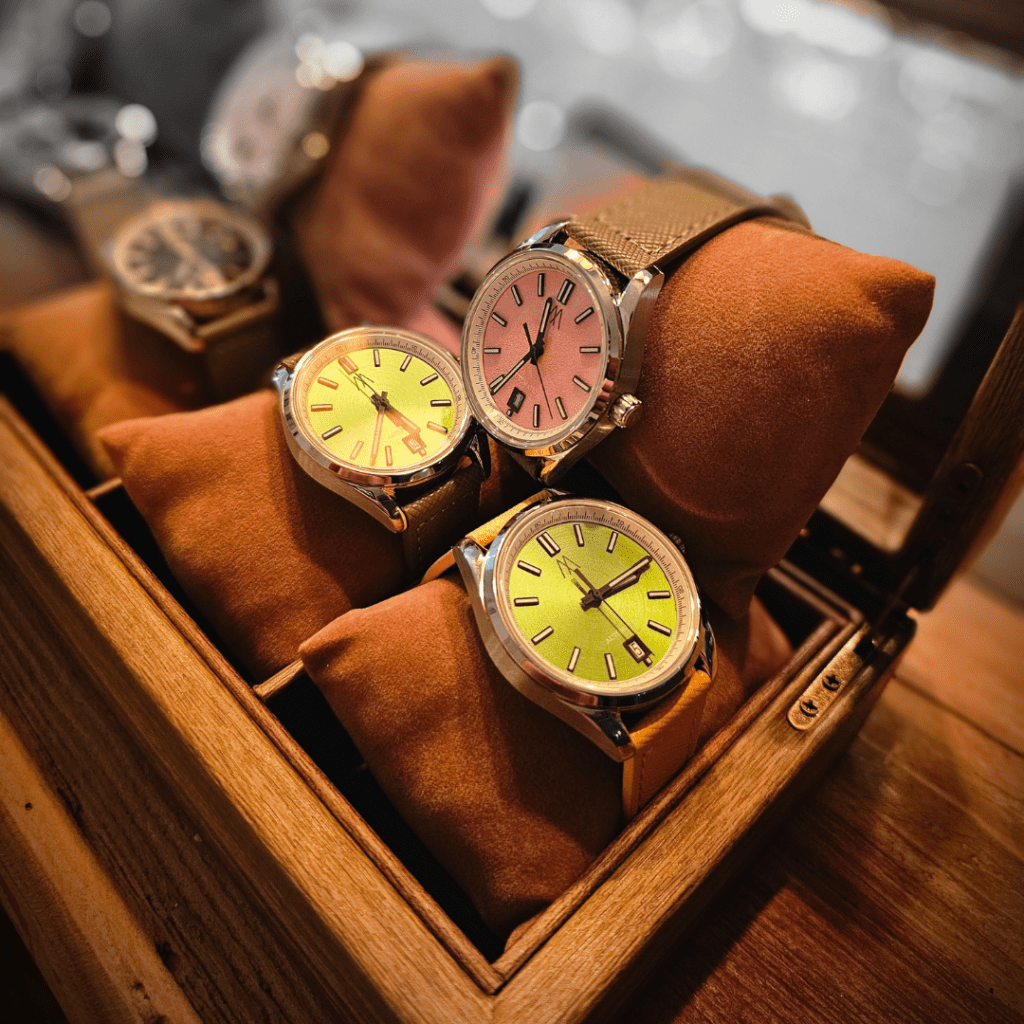
Step 4: Learn Before You Buy
Impulse buying is the fastest way to waste money.
Before purchasing:
- Read reviews
- Watch video breakdowns
- Understand movement type
- Compare specifications
Understanding the difference between mechanical and quartz movements is essential.
👉 Read our Beginner’s Guide to Mechanical Watches
Step 5: Avoid Common Beginner Mistakes
❌ Buying for hype
Trends fade. Style lasts.
❌ Ignoring wrist size
A watch that’s too large will rarely get worn.
❌ Overpaying retail
Research market value before purchasing.
❌ Buying too many too quickly
Collect slowly. Appreciation grows over time.
A Smart 3-Watch Starter Collection Example
If you want a simple blueprint:
- Everyday automatic watch
- Minimalist dress watch
- Sport or diver watch
This covers nearly all situations.
From here, your collection can evolve toward microbrands, vintage, complications, or independent makers.
If you’re exploring smaller brands:
👉 Microbrands Worth Exploring
Should You Buy New or Pre-Owned?
Pre-owned watches can offer better value.
Benefits:
- Lower entry cost
- Access to discontinued models
- Less depreciation
But buy from reputable sellers and verify authenticity.
How Many Watches Should a Beginner Own?
There is no correct number.
Some collectors stop at three.
Others own dozens.
The goal is not quantity — it’s enjoyment.
A thoughtful three-watch collection is better than a chaotic ten-watch drawer.
Long-Term Thinking: Quality Over Quantity
If you’re serious about building a watch collection:
- Prioritize versatility
- Research before purchasing
- Avoid emotional impulse buys
- Think in years, not weeks
A strong collection develops slowly.
That’s part of the reward.
Final Thoughts
Learning how to start a watch collection is less about money and more about intention.
Define your style.
Set boundaries.
Buy deliberately.
A good collection tells a story.
Build one worth telling.