The timegrapher lift angle is an input, not a health score. An acoustic timing machine uses it to estimate balance amplitude. A wrong setting can change the displayed amplitude without improving the watch.
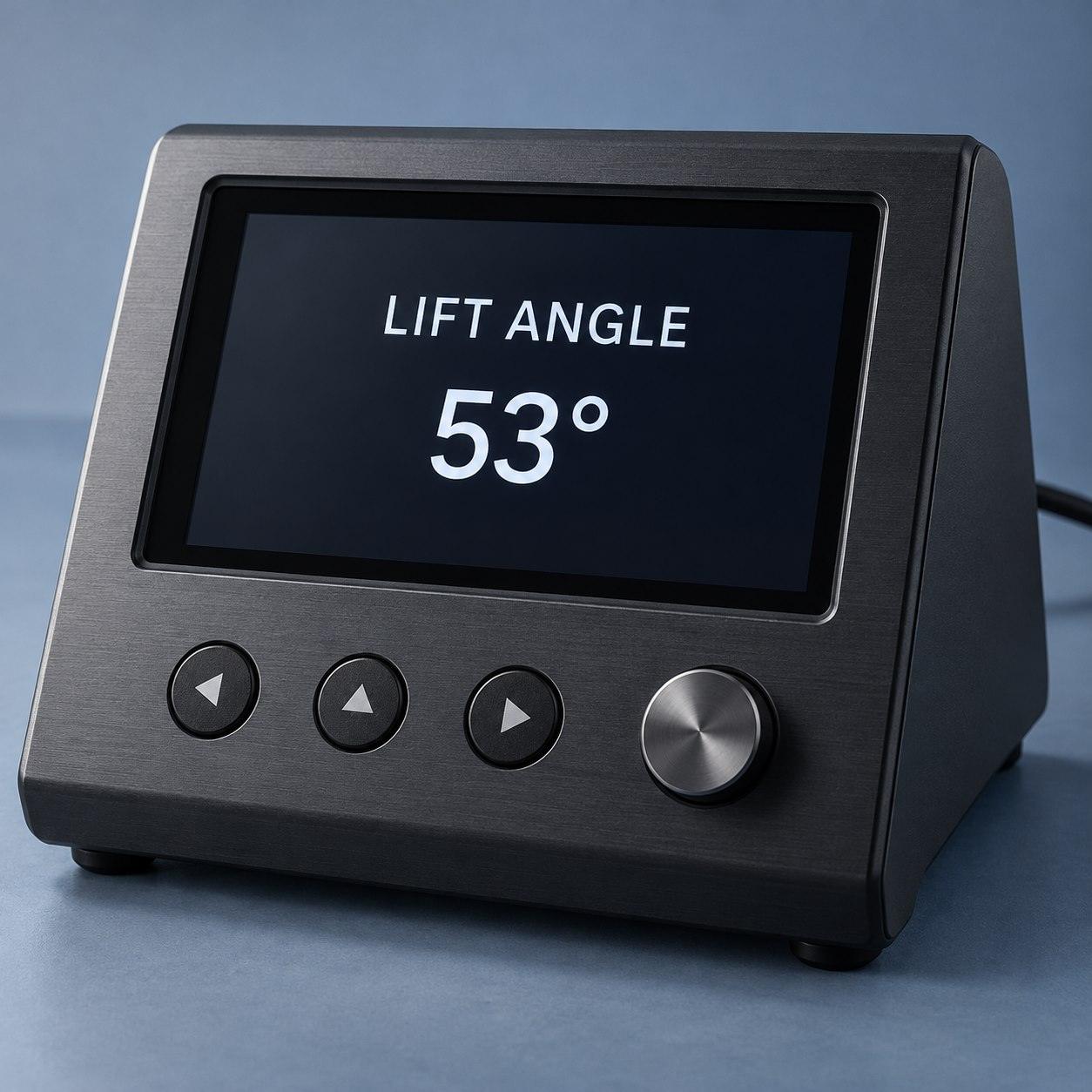
1. Separate the two angles. Lift angle is a movement-specific geometric value. Amplitude describes the balance’s wider swing. H2i’s measurement manual explains why the lift-angle input matters to the acoustic estimate.
2. Look up the exact calibre. TMI’s NH35 documentation links its NH3 technical guide, which specifies 53° in its measurement conditions. That is a documented example, not permission to use 53° for every mechanical movement.
3. Keep comparisons honest. Record the winding state and test position alongside the correct setting. Do not change lift angle merely to make an amplitude number look healthier.
Watcher Insight: check the measurement setup before treating low amplitude as a repair diagnosis.