
A watch prototype should not be approved because it looks good in one photograph. Approval means deciding that the sample is ready to become the reference for production, customer delivery or the next engineering stage. That requires a repeatable inspection process.
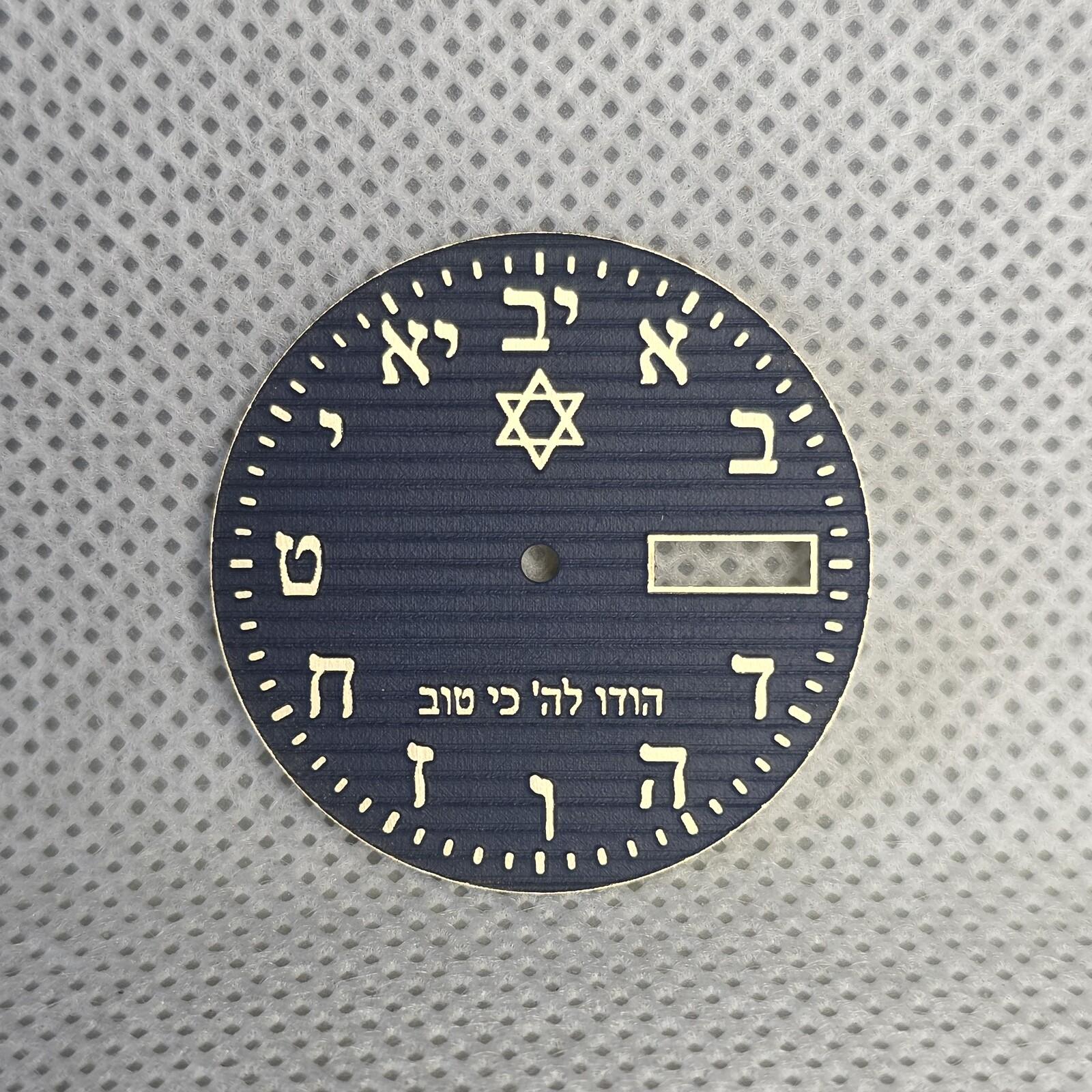
This checklist is designed for independent brands, custom-watch workshops and serious buyers reviewing a real sample. It is not a substitute for dimensional drawings, water-resistance testing or movement documentation. It is a practical gate that helps separate a persuasive prototype from an approved watch.
1. Confirm the Reference Before Inspecting the Sample
Start with the approved specification, not memory. Keep the dial artwork, case dimensions, movement reference, hand set, crystal, strap, buckle, colours and finishing notes beside the sample. A prototype can be attractive and still be wrong.
- Model, revision and sample number match the review document.
- Movement, dial feet, date position and hand heights match the intended build.
- Case, crown, crystal, caseback, strap and buckle are the approved references.
- Any deviation is written down before aesthetic approval begins.
2. Review the Dial as a Component
Inspect the dial before the hands and crystal hide parts of it. Use diffuse light, directional light and magnification. The goal is not to hunt for invisible imperfections; it is to identify defects that affect the intended finish, alignment or readability.
- Logo, numerals, markers, minute track and inscriptions are aligned to the dial centre.
- Date or open-heart apertures have clean edges and the correct position.
- Colour is consistent with the approved sample under more than one light source.
- Surface texture is intentional and does not hide dust, scratches, lifting or residue.
- Printed, engraved, filled or applied details have consistent weight.
- The hand-stack hole and any subdial holes are clean and correctly sized.
3. Check the Dial Inside the Watch
Assembly changes the visual result. The rehaut can expose uneven spacing. The crystal can add distortion or reflections. The hands can cover an inscription that looked perfectly placed on the bench.
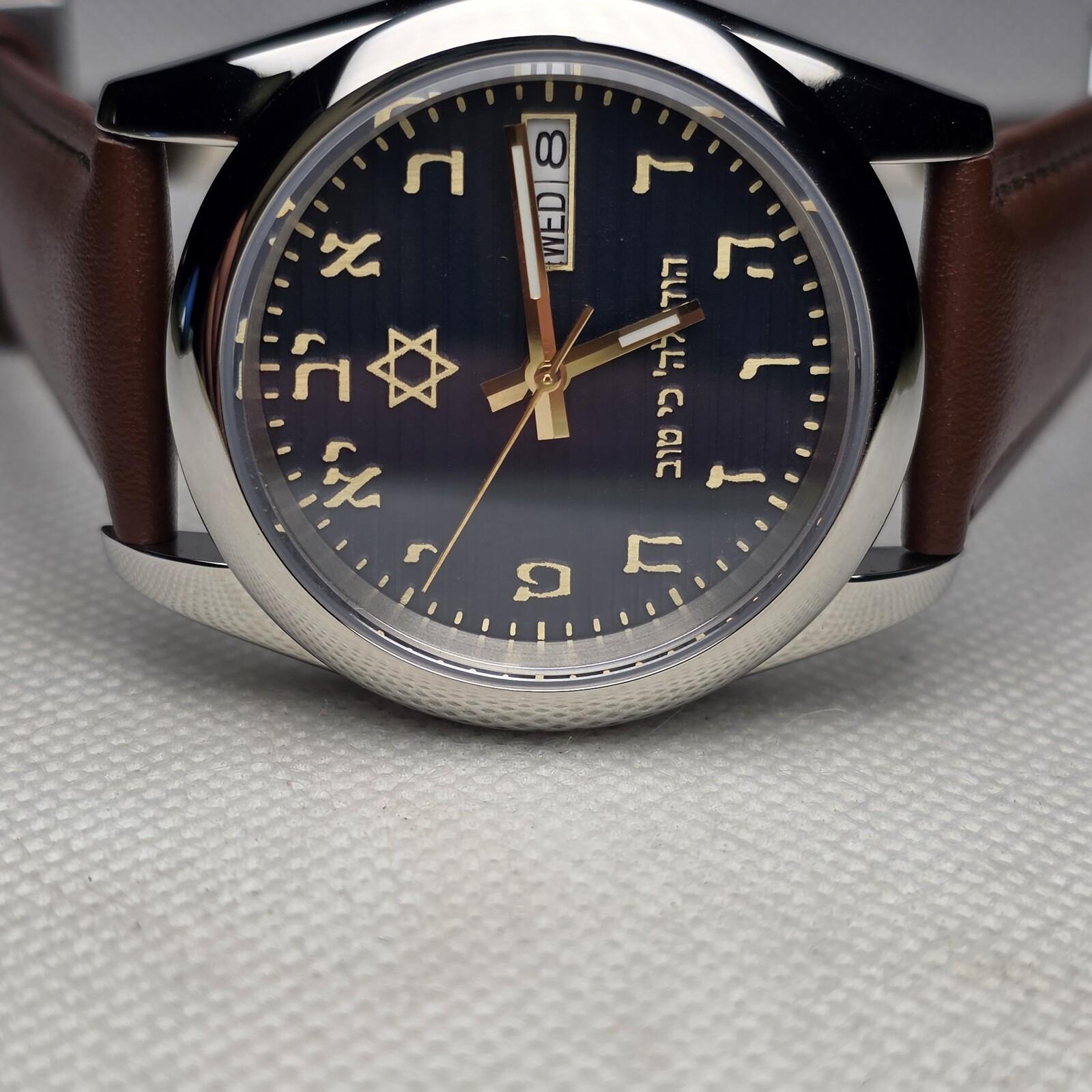
- The dial is centred and level relative to the case and crown.
- The gap between the dial edge and rehaut is visually even.
- Hands clear one another, the dial and the underside of the crystal.
- Hour, minute and seconds hands align to their intended references.
- The date is centred throughout the visible date-change cycle.
- Critical text remains readable at realistic wrist distance.
4. Inspect the Case and External Finishing
Use controlled light and rotate the watch slowly. Polished surfaces should reflect cleanly. Brushed surfaces should show an even direction. The transition between finishes should look deliberate.
- No dents, deep scratches, tool marks, adhesive or trapped debris.
- Brushing direction and density are consistent across matching surfaces.
- Polished edges are crisp without visible waves or rounded transitions.
- Bezel, crystal, crown and caseback sit evenly.
- Engraving is correctly oriented, legible and free of unfinished residue.
5. Test Every Function
A prototype is not approved from appearance alone. Wind it, set it, wear it and operate every complication. Record results rather than relying on a short impression.
- Manual winding feels consistent and the crown does not slip.
- Time setting is positive, with appropriate hand movement and minimal unwanted play.
- Quick-set date, day, GMT or other functions operate as intended.
- The crown engages each position and returns securely.
- The watch runs through a useful observation period in several positions.
- Water resistance is tested to the declared rating by appropriate equipment when the watch is meant to carry one.
6. Review Wearability, Not Only Dimensions
Measure the watch, then put it on a wrist. Case diameter does not reveal lug curvature, crown pressure, strap articulation or how top-heavy the watch feels.
- Lugs sit comfortably and do not create sharp pressure points.
- The crown does not dig into the wrist during normal movement.
- The strap or bracelet articulates from the case without an awkward gap.
- Buckle, clasp and keepers operate securely.
- Weight distribution suits the intended use.
7. Photograph the Exact Approval Sample
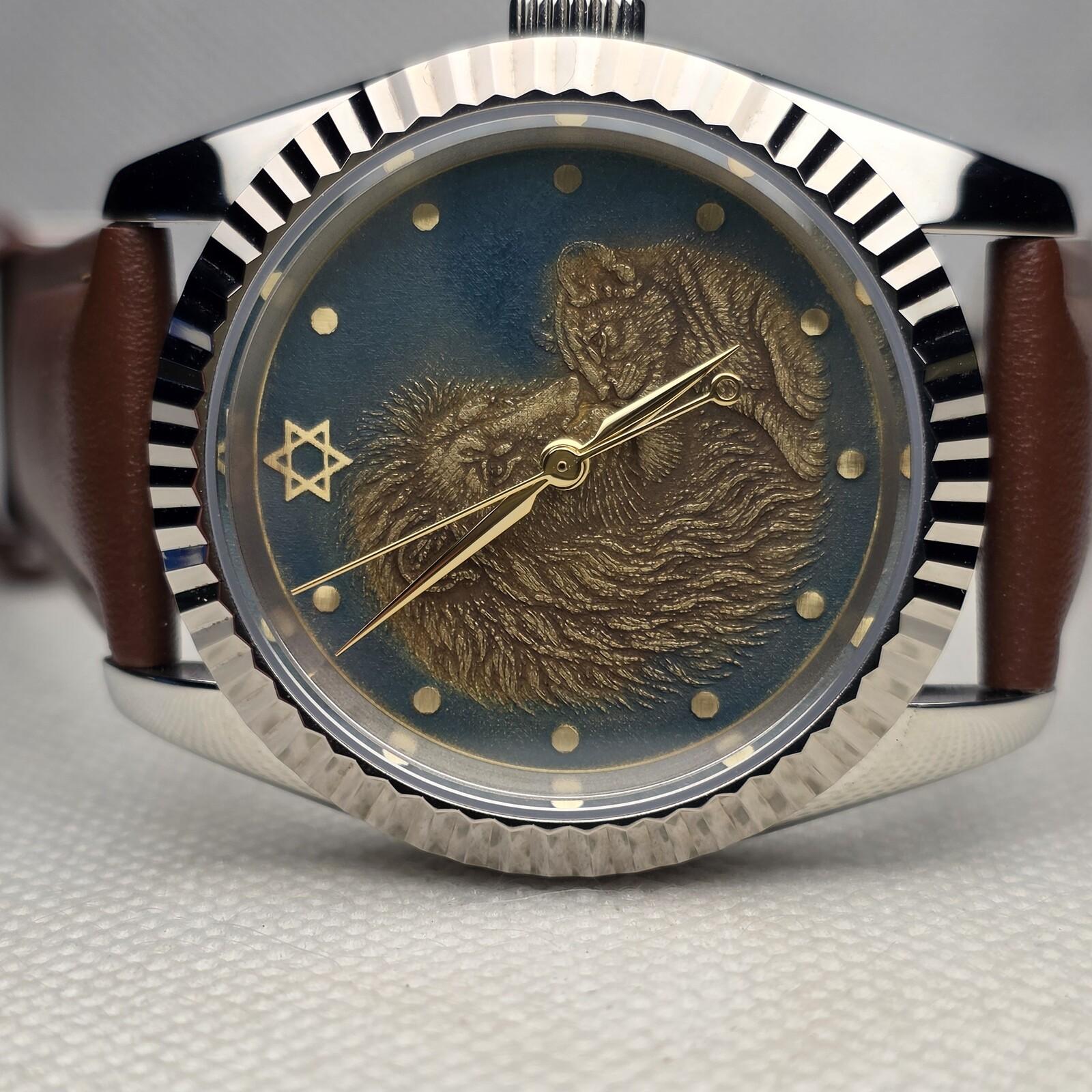
Keep straight-on dial, side, crown, caseback, clasp and wrist photographs. Add close-ups of any accepted variation. The approved sample should be identifiable later without relying on an edited marketing image.
8. Separate Defects, Variations and Preferences
Not every difference is a defect. Handmade or small-batch surfaces can contain controlled variation. The review should state what must be corrected, what is acceptable, and what is simply a preference for the next revision.
A useful approval note has only three outcomes:
- Approved: the sample can become the reference.
- Approved with documented tolerances: specific variation is accepted and recorded.
- Not approved: corrections and a new sample are required.
Final Approval Rule
Approve the watch only after the exact physical sample has been inspected, operated and documented. Supplier photographs, renderings and an isolated dial can support the decision, but they cannot replace the completed-watch review.
The workshop photographs in this guide are owner-supplied images from Rexx Timepieces’ custom-watch workshop, part of the same ecosystem as The Watcher HQ. They are used as positive examples of the evidence a prototype review should retain, not as defect examples.