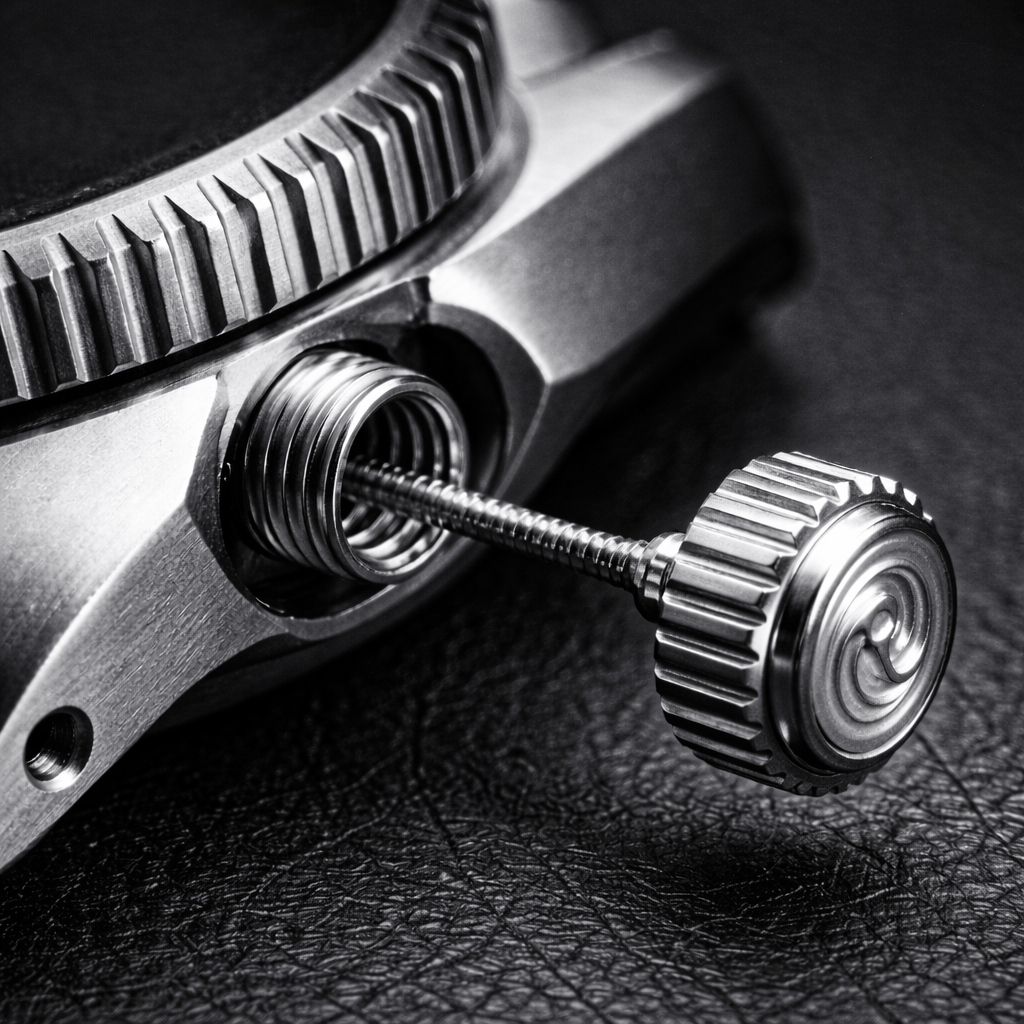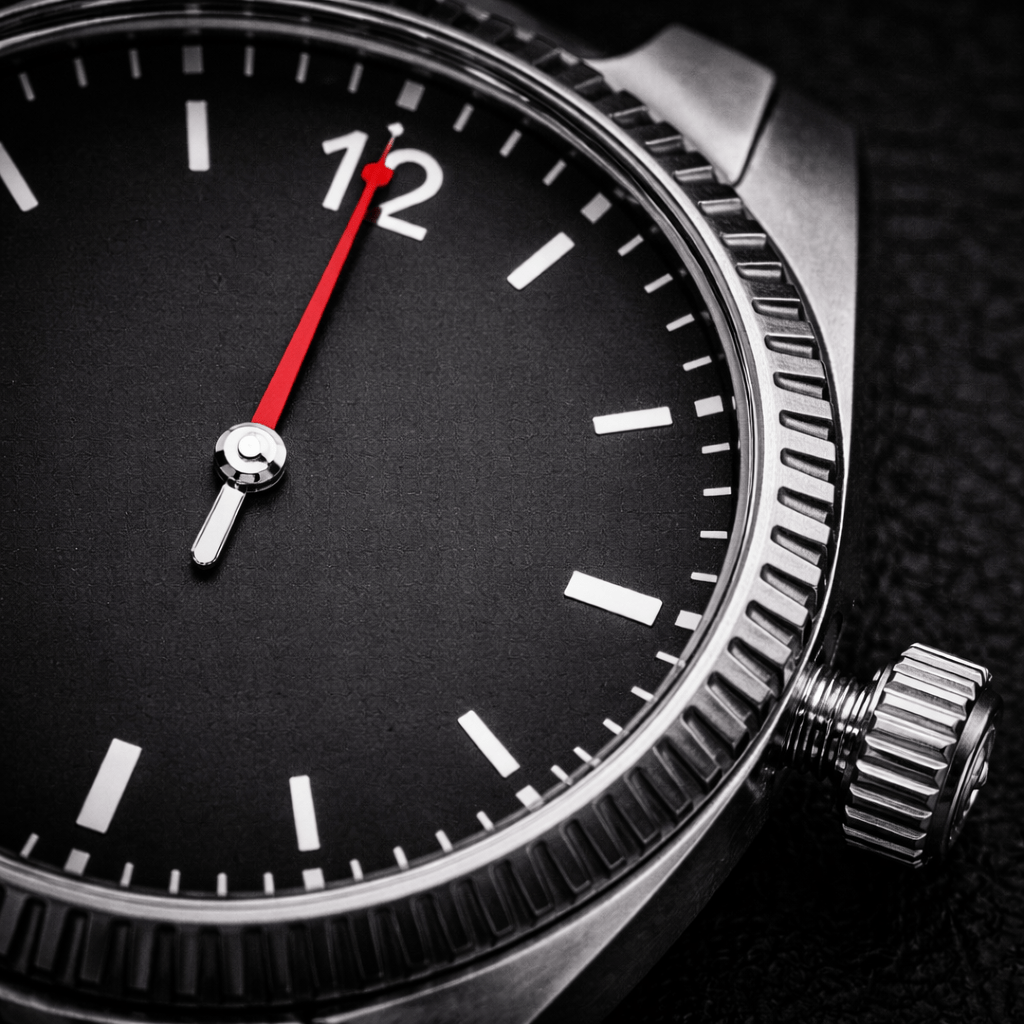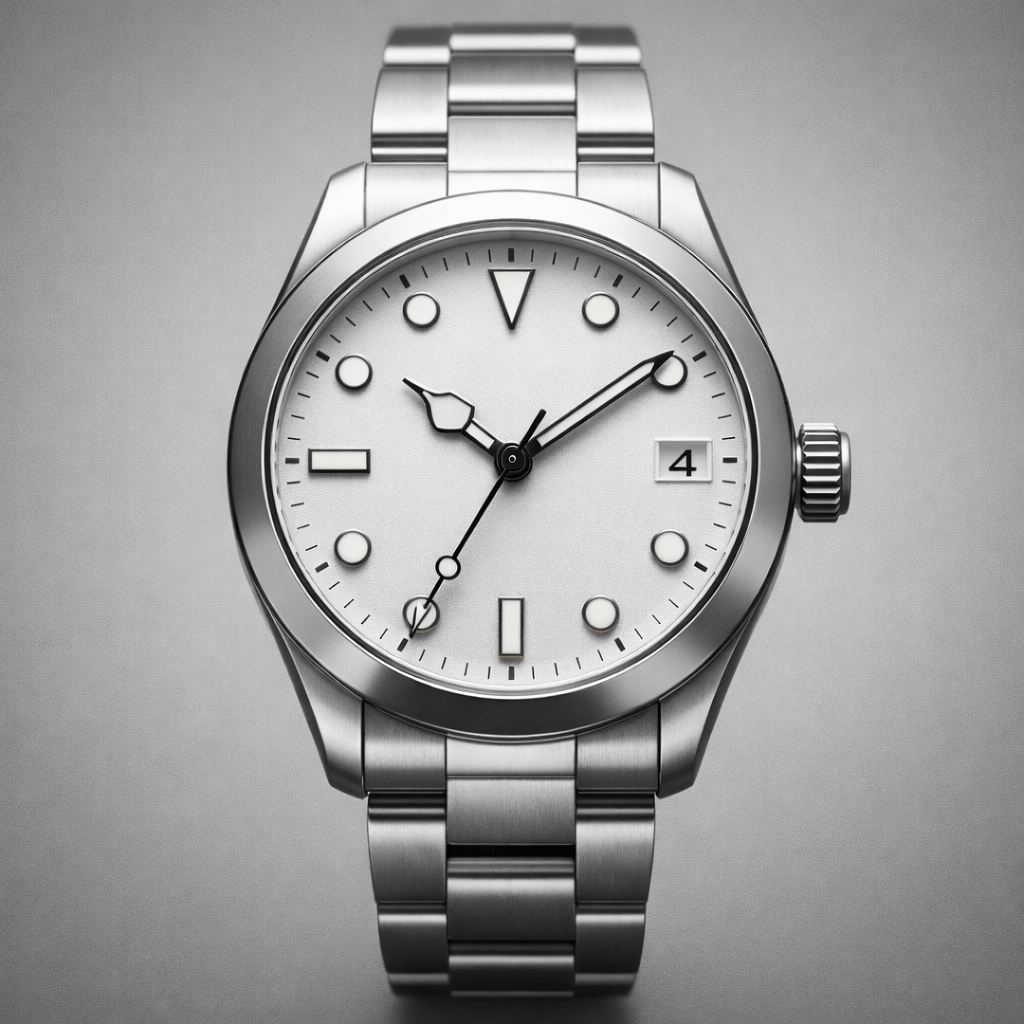
Watch regulation changes how fast or slow a mechanical movement runs. It does not repair the movement.
A watchmaker first measures the movement on a timing machine. The useful readings include rate, amplitude, and beat error, often checked in several positions because gravity can change how the watch behaves.
Regulation is the fine adjustment. On many movements, a regulator changes the effective length of the hairspring, nudging the daily rate faster or slower. Other movements use different adjustment systems, but the goal is the same: improve the rate without pretending every position will behave identically.
Practical distinction: if a healthy watch consistently gains or loses time, regulation may help. If the readings are unstable, amplitude is poor, or the movement has wear, contamination, or damaged parts, moving the regulator is not a real fix.
Track the watch on your wrist for several days before judging it. One timing-machine reading is a diagnostic snapshot; real wear shows the pattern that matters to you.