Should You Build Your Own Watch? A Realistic Breakdown
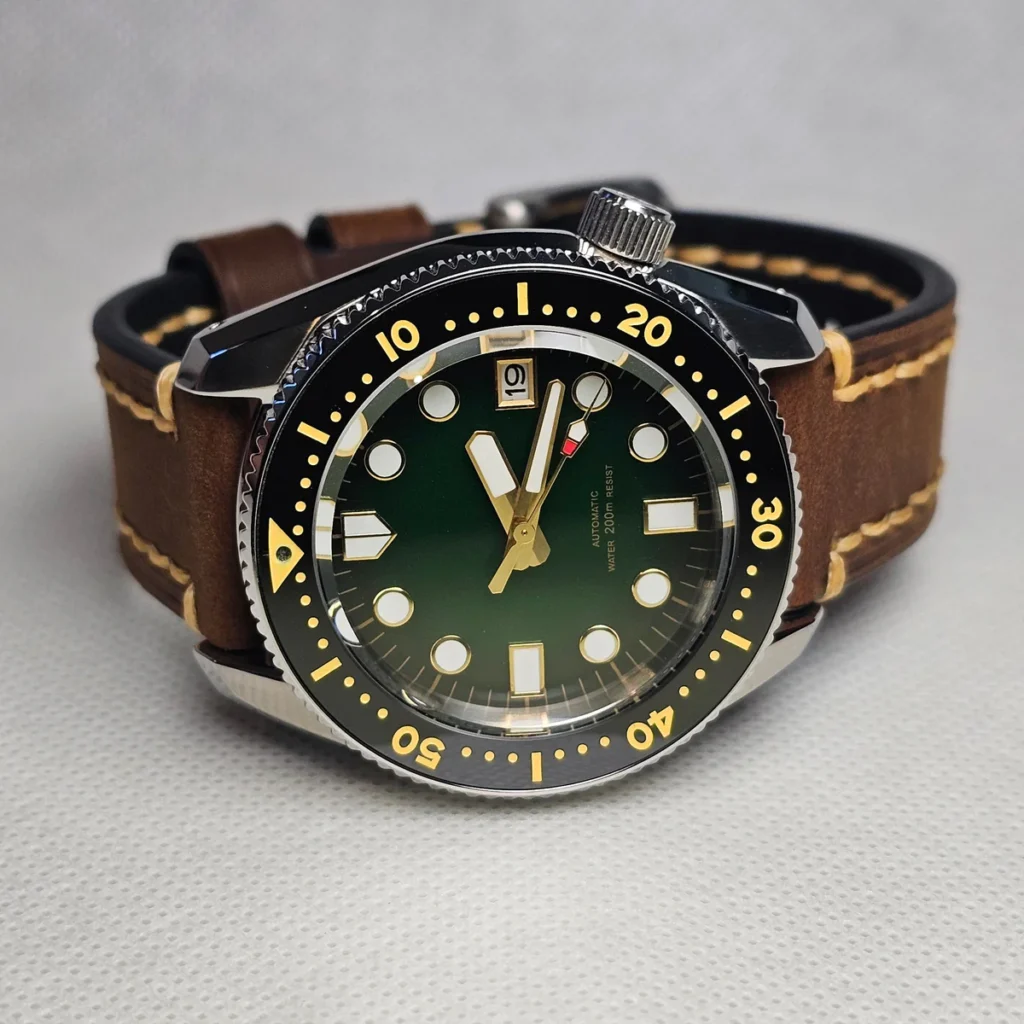
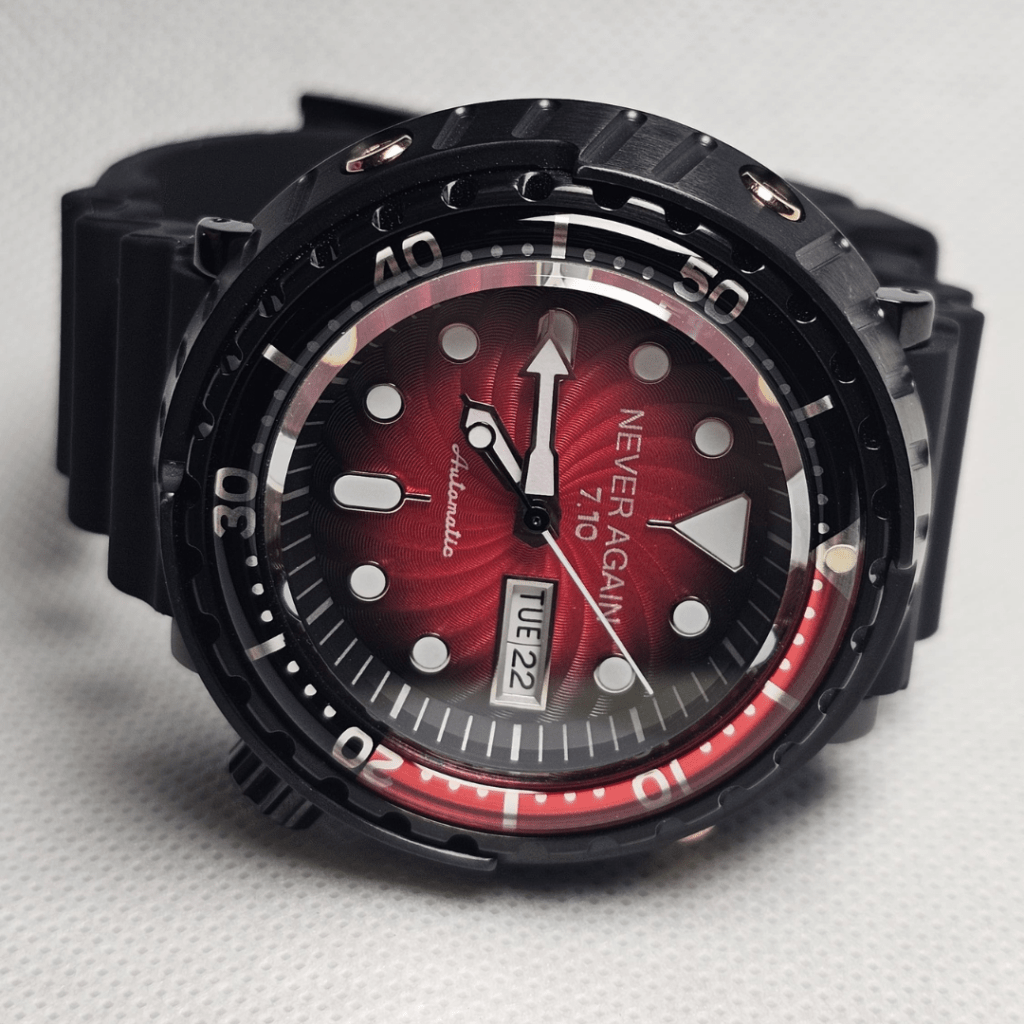
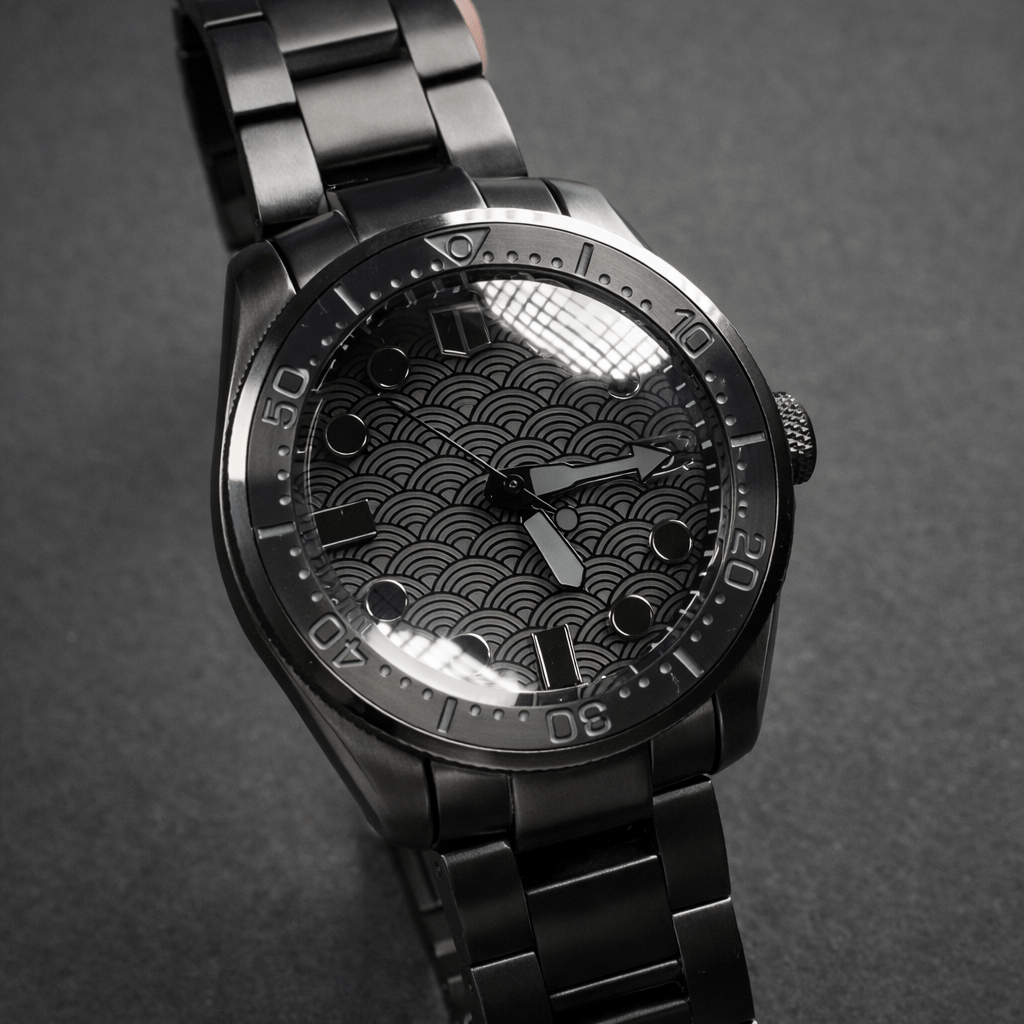
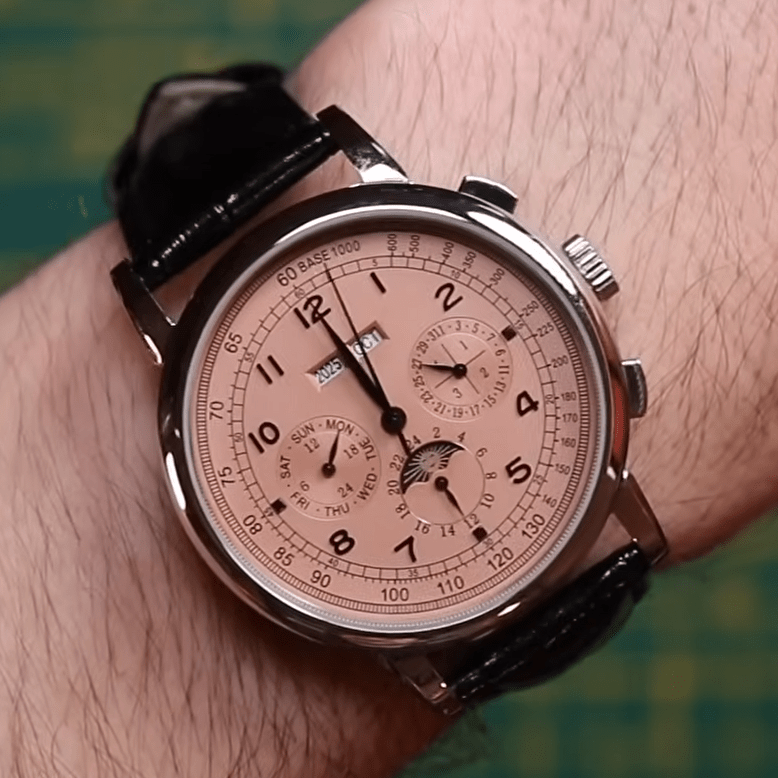
The idea of building your own watch sounds incredible at first. You choose the case, pick the dial, match the hands, install the movement, and end up with something personal that no one else has. For many enthusiasts, that idea is what opens the door to watch modding.
But there is a real gap between wanting to build a watch and actually building one cleanly. The parts may look simple online, but the bench tells the truth. Hands bend, dials scratch, dust appears, stems need trimming, and compatibility problems do not care how good the product photos looked.
So should you build your own watch? The honest answer is yes if you want the learning process. Maybe not if your main goal is a clean finished watch with fewer mistakes. Both answers are valid. It depends on what you actually want.
The Short Answer
You should build your own watch if the process matters as much as the result. DIY is excellent for learning, experimenting, understanding parts, and developing respect for how mechanical watches are assembled.
You should consider a custom workshop build if the finished watch matters more than the learning curve. That is especially true for one-off dials, gift-quality builds, unusual proportions, engraved parts, or any watch where clean execution is more important than doing every step yourself.
Why Building Your Own Watch Is So Appealing
The appeal is obvious: control. You can choose a case size, dial color, hand shape, strap, movement, and overall direction. Even a simple build can feel more personal than something bought off the shelf because the choices came from you.
Building also changes how you look at watches. You start noticing hand length, dial spacing, case height, crystal shape, crown position, movement fit, and whether a design feels coherent. The hobby becomes more active. You are not only collecting watches. You are learning how they work as objects.
For the foundation, start here: What Is Watch Modding?.
What People Usually Underestimate
Most first-time builders underestimate precision. A watch is small, and small parts leave little room for rough handling. You are working with components that can be scratched, bent, misaligned, contaminated with dust, or damaged by one careless movement.
Even a basic build depends on many details:
- The movement must match the case.
- The dial needs to fit the movement and case opening.
- The hands must fit the movement and clear each other.
- The stem and crown must be measured correctly.
- The case must stay clean before closing.
- The finished watch still needs to feel visually balanced.
That last point matters. You can technically assemble a watch and still end up with something that feels awkward, crowded, or unfinished. Assembly is not the same as design.
These two guides help explain the practical side: Best Seiko Mod Parts and Best Tools for Seiko Modding.
The Real Cost Is Not Just the Parts
New builders often calculate only the visible components: movement, case, dial, hands, strap, and perhaps a crystal or bezel insert. That number can look attractive. The complete project cost is wider:
Total build cost = parts + tools + shipping + taxes + replacement allowance + testing + your time.
| Cost group | What belongs in it | Why beginners miss it |
|---|---|---|
| Core parts | Movement, case, dial, hands, crown, stem, caseback, crystal, bezel, strap or bracelet | Small required components are often split across listings. |
| Tools and consumables | Hand tools, holder, blower, cleaning putty, finger cots, screwdrivers, press dies, lubricants | A one-watch tool kit can cost more per build than a reusable setup. |
| Logistics | Shipping, import tax, currency conversion, and multiple-supplier fees | Cheap individual parts can become expensive when shipped separately. |
| Rework allowance | Spare stems, replacement hands, scratched dials, damaged gaskets, wrong-size parts | The first error often requires both a new part and another shipping charge. |
| Verification | Timegrapher check, pressure test, demagnetizing, final inspection | Assembly is not proof of timing performance or water resistance. |
A first build often includes at least one mistake: a hand bends, a dial is marked, dust appears after casing, the stem is cut too short, or a part advertised as compatible does not fit the rest of the stack. Budgeting no replacement allowance assumes perfect execution and perfect listings at the same time.
None of this means you should avoid building. If you want the learning process, rework is part of the education. If you only want one clean finished watch, the same rework may make DIY less economical than a workshop build.
Before starting, read Common Seiko Modding Mistakes.
The Tools Are Part of the Decision
A watch build needs more than enthusiasm and a parts list. At minimum, a beginner usually needs hand-setting tools, hand removers, a caseback tool, movement holder, dust blower, rodico or cleaning putty, tweezers, screwdrivers, dial protectors, a crystal press for some jobs, and a way to handle stems and crowns cleanly.
Buying tools is not bad. In fact, if you want to keep building, tools are part of the investment. But if you only want one finished watch, tool cost can make DIY less economical than it first appears.
The question is not only “Can I afford the parts?” It is “Do I want to own the learning curve?”
One Build and Ten Builds Have Different Economics
Tools become easier to justify when they are used repeatedly. The first watch carries almost the entire cost of the setup. By the fifth or tenth build, the same movement holder, blower, screwdrivers, hand tools, and press can support many projects.
That changes the decision. A person who wants one gift-quality watch should compare the full one-build cost with a commissioned watch. A person who wants a lasting bench hobby should treat the first tool purchase as the beginning of a capability, not as a surcharge on one object.
Cheap tools can also create expensive damage. A poorly finished hand-setting tip, loose movement holder, or misaligned press die can mark the very parts the tool was meant to protect. Buy the precision needed for the job rather than the largest kit with the longest parts list.
Design Is Often Harder Than Assembly
Many people think the hard part is putting the watch together. Sometimes it is. But design is often harder. Choosing parts that technically fit is easier than choosing parts that belong together.
This becomes especially clear in smaller builds. A 33mm watch does not leave much room for visual noise. The dial, hands, case profile, color, and finishing all need to be controlled. If one part is too loud, the whole watch feels off.
This is why a good custom watch is never just a pile of parts. It is a sequence of choices that need to work together.
For a deeper example, read Seiko Cocktail Mod Builds.
A One-Off Dial Changes Everything
The dial is where a watch often becomes personal. It is the face of the build, and it controls much of the emotional response. Material, texture, engraving, finishing, color behavior, and layout all affect the final result.
This is where Rexx Timepieces and Rexx StudioWorks connect naturally. Rexx Timepieces focuses on custom watch builds and dial work. Rexx StudioWorks supports the craft layer through handmade dials, engraving, coins, and workshop-made pieces. The dial is often the bridge between a simple mod and a watch that feels genuinely custom.
For the full dial process, read How Custom Watch Dials Are Made.
The mark on the dial deserves the same care as the material. Sterile, maker-signed, factory, refinished, and unauthorized branded aftermarket dials create different attribution and resale questions. Our guide to sterile vs branded mod dials explains the buyer-trust test.
Watch the Process in Motion
The video above is from Rexx Timepieces. Video makes the difference between assembly and execution easier to understand. The final build may look smooth, but the real work includes checking, cleaning, correcting, and resisting the urge to rush.
This is why the Rexx Timepieces YouTube channel matters inside the ecosystem. It is not just promotion. It is proof of process.
What a Finished Watch Still Needs
A watch that closes successfully is not automatically ready for daily wear. The final inspection should check hand clearance through a full cycle, date change, crown positions, winding feel, stem security, dust, dial and chapter-ring alignment, caseback seating, bracelet screws or spring bars, and timing behavior.
Water resistance requires its own caution. New gaskets and a screw-down crown do not prove a rating after a custom assembly. If the watch will be exposed to water, arrange an appropriate pressure test. Do not advertise a depth rating inherited from the empty case unless the completed watch has been verified.
Record the movement, case, dial, hands, crystal, gaskets, and any custom work. That build sheet makes future service easier and gives a later buyer an honest history.
When It Is Worth Building Your Own Watch
Building your own watch is worth it if you want to learn. It is worth it if you enjoy tools, trial and error, small mechanical tasks, visual decisions, and the satisfaction of improving over time.
It is also worth it if you are comfortable with mistakes. The first build may not be perfect. That is fine. If the goal is education, the imperfect parts are part of the experience.
The DIY path makes the most sense when:
- You want to understand how watches are assembled.
- You enjoy working with small tools.
- You can accept that the first result may not be perfect.
- You want to build more than one watch over time.
- You care about the process as much as the outcome.
When It Makes More Sense to Go Custom
If the goal is a refined finished watch, going custom can be the better route. This is especially true when the watch involves a one-off dial, unusual proportions, specific finishing, engraved details, or a design direction that needs restraint.
Working with a custom builder lets you participate in the design without taking on every technical risk yourself. That is not less authentic. It is simply a different goal. Some people want to become builders. Some people want to wear something personal and well executed.
Readers who want that direction can explore the workshop side through Rexx custom watches or start with the broader guide Seiko Mods: The Gateway to Custom Watches.
How This Connects to Meshberg
The same lesson also connects to Meshberg Watches. Once you understand how much proportion, dial restraint, and finishing matter, you start appreciating small-batch independent watches differently.
Meshberg is not the DIY side of the ecosystem. It is the quieter independent watch layer: refined proportions, small-batch thinking, and dial-led character. A person who learns through modding often becomes more sensitive to exactly those choices.
Three Honest Builder Profiles
The learner
You want the bench experience, can tolerate rework, and expect to build again. DIY is probably the right choice. Start with a documented parts system and a simple movement.
The designer
You care most about the idea, proportions, dial, and personal details but do not need to perform every technical operation. A collaborative workshop build lets you direct the design while the workshop controls assembly and testing.
The value seeker
You mainly want a finished watch for less money. DIY can work, but it is the least forgiving reason to begin. Compare the complete cost, not only the attractive parts subtotal, and assume at least some learning expense.
Simple Decision Framework
If you are still unsure, use this simple framework:
- Build it yourself if learning is the main goal.
- Commission it if the finished result is the main goal.
- Start simple if it is your first build.
- Use a workshop if the dial, engraving, finishing, or case choice is unusual.
- Do not judge the cost only by the parts list.
That keeps the decision honest. There is no single correct answer. There is only the route that fits your goal.
Final Thoughts
You should build your own watch if the learning process excites you. You should not build one just because it looks cheaper than buying or commissioning a finished watch. The hidden cost is the learning curve.
That learning curve can be wonderful. It can make you a better collector, a more thoughtful buyer, and a more patient enthusiast. But if what you really want is a refined custom watch, there is nothing wrong with letting a workshop do the technical work while you guide the idea.