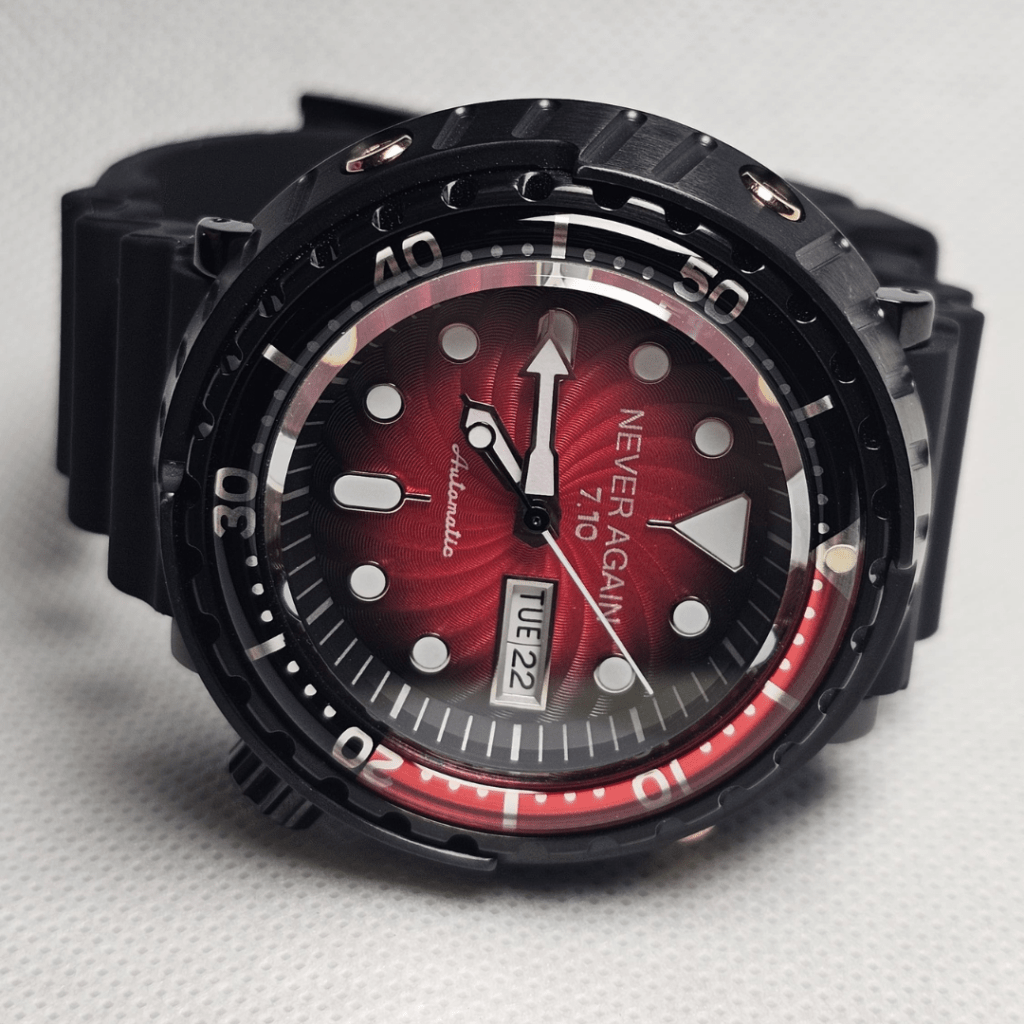
What Is Watch Modding? A Beginner’s Guide to Custom Watches
Watch modding is the practice of changing, customizing, rebuilding, or creating a watch by replacing parts such as the dial, hands, bezel, case, crystal, strap, bracelet, or movement. It can be as simple as changing a strap or as involved as building a complete custom mechanical watch from selected components.
At its best, watch modding is not just decoration. It is a way to understand how watches are built, why small proportions matter, how parts work together, and where a factory design can become something more personal.
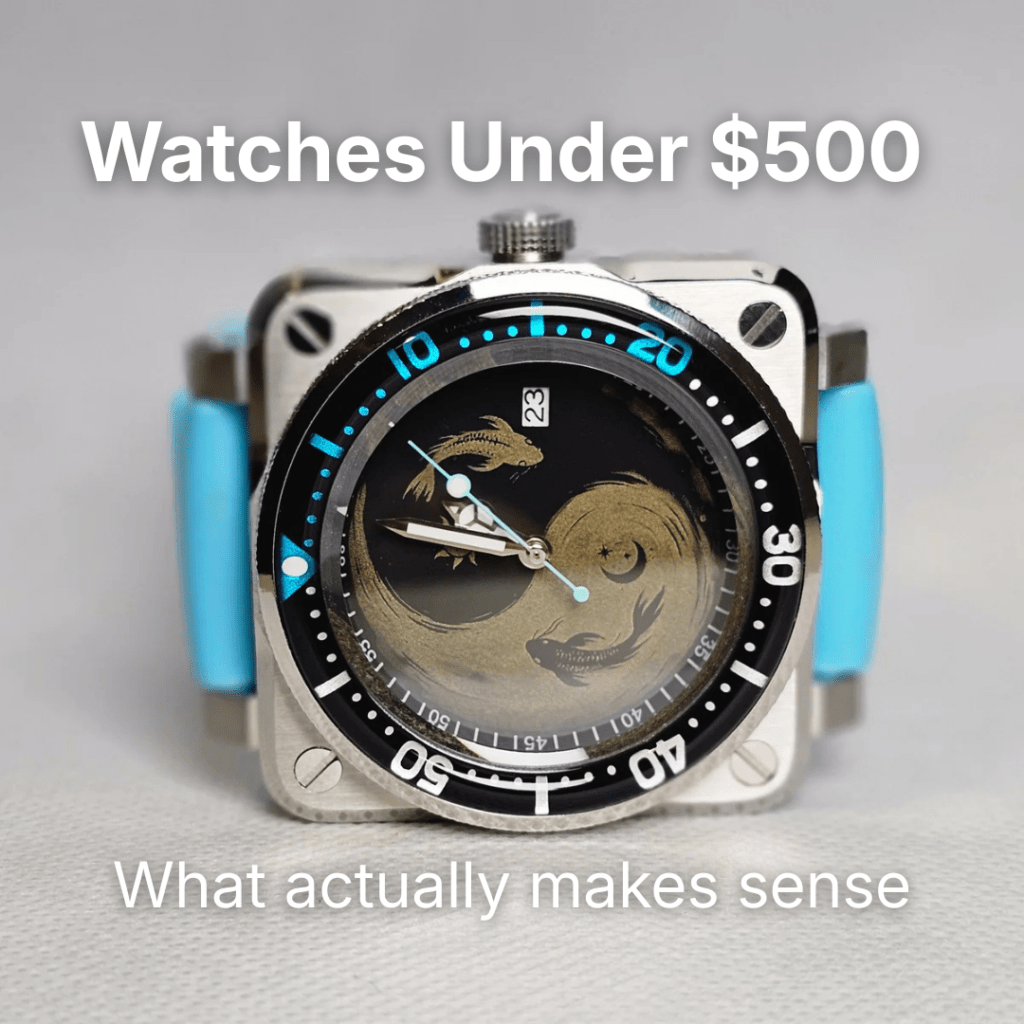
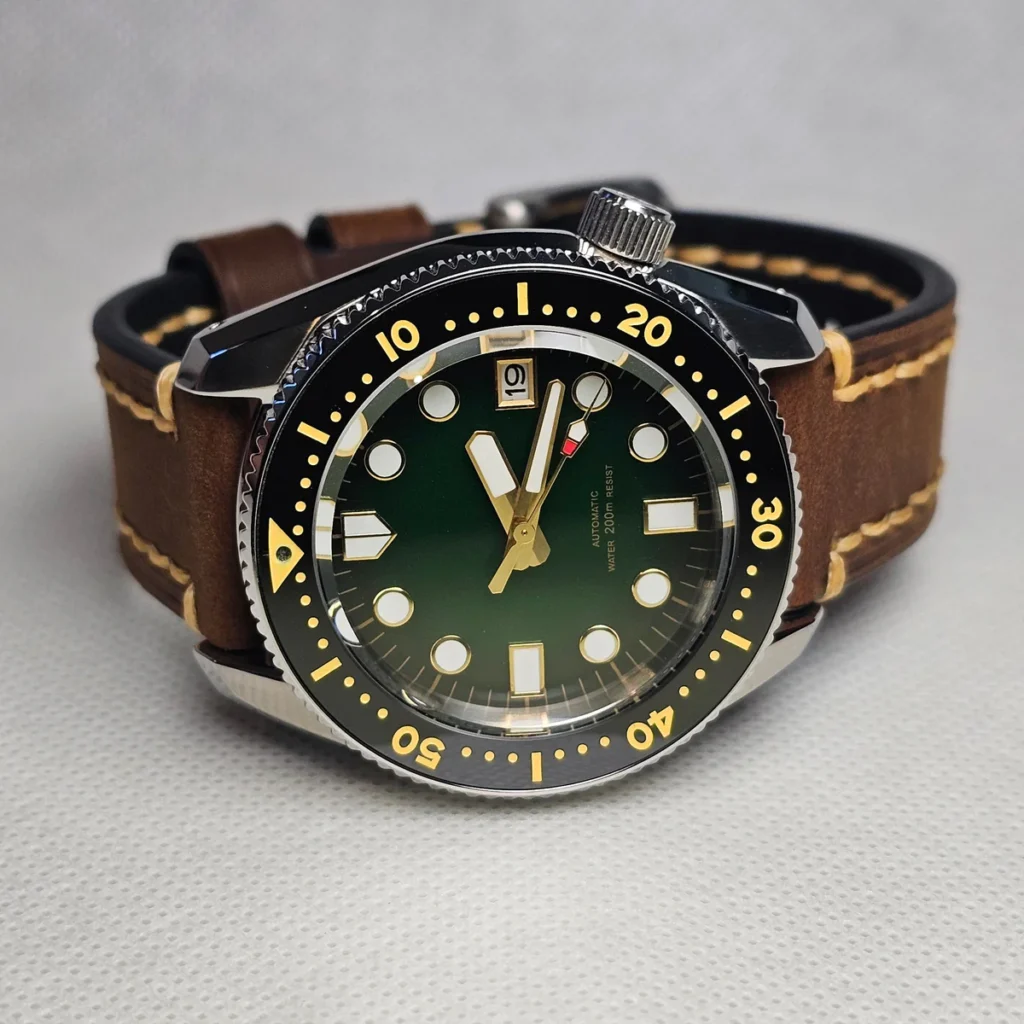
For one person, that might mean a cleaner Seiko diver. For another, it might mean a handmade dial, a laser-engraved texture, a compact dress build, or a one-of-one custom watch that could never come from a catalog.
What Watch Modding Actually Means
Watch modding means modifying a watch from its original form. The change can be cosmetic, functional, or structural.
A cosmetic mod changes how the watch looks. A functional mod changes how it performs. A full custom build can combine a new case, dial, movement, hands, crystal, crown, strap, and finishing direction into a watch that feels completely new.
The most common parts changed in watch modding include:
- Dials: the face of the watch, including texture, markers, logos, printing, engraving, color, and finishing.
- Hands: hour, minute, second, GMT, or subdial hands.
- Bezels and inserts: common on dive watches, GMT builds, and tool-style watches.
- Cases: the body of the watch, which controls size, shape, thickness, and wrist presence.
- Crystals: mineral, sapphire, flat, domed, clear, or anti-reflective options.
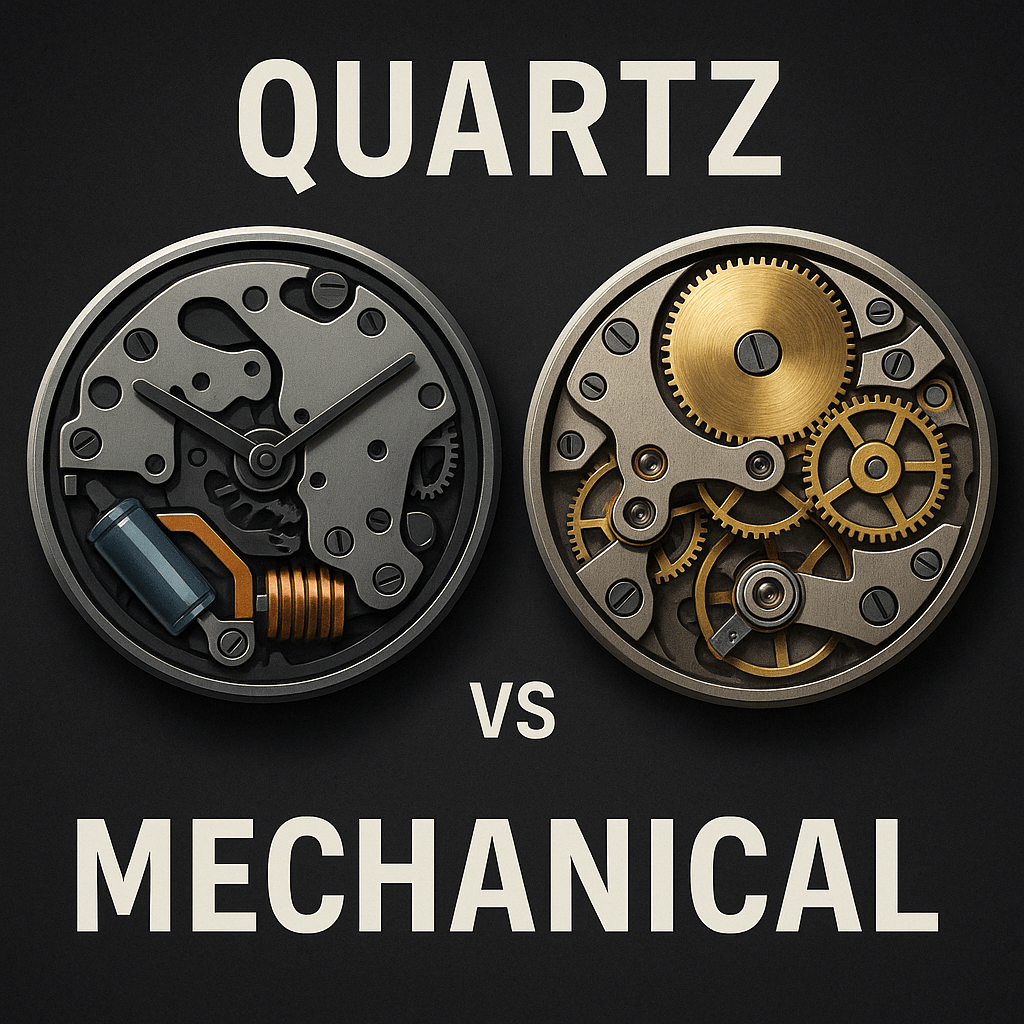
- Movements: the mechanical or quartz engine inside the watch.
- Straps and bracelets: often the fastest way to change how a watch feels on the wrist.
At the simple end, modding can be a strap or bezel insert swap. At the serious end, it starts to overlap with custom watchmaking.
Why Watch Modding Became So Popular
Watch modding became popular because it gives enthusiasts control. A factory watch is already decided before you ever touch it. A modded watch lets you make decisions.
- Personal expression: the watch can reflect your taste instead of a brand’s catalog choice.
- Creative freedom: dials, hands, cases, colors, textures, and straps can be combined in many directions.
- Learning: modding teaches how mechanical watches are designed, assembled, and serviced.
- Value: a thoughtful mod can deliver a specific look or feel without chasing a rare factory model.
- Community: builders share parts, mistakes, techniques, and finished projects.
Seiko modding helped push the hobby into the mainstream because Seiko-compatible parts are widely available and movements like the NH35 and NH36 are practical, reliable, and builder-friendly.
If you want realistic build directions, read Best Seiko Mods You Can Actually Build.
Different Types of Watch Mods
Not every mod has the same difficulty level. It helps to understand the main categories before buying parts.
Strap and Bracelet Mods
This is the easiest entry point. A strap can make the same watch feel dressier, sportier, older, cleaner, or more casual without opening the case.
Cosmetic Part Swaps
This includes hands, bezels, bezel inserts, chapter rings, crystals, and sometimes crowns. These changes need more care because the watch may need to be opened, cleaned, and resealed correctly.
Dial Mods
The dial is the identity of the watch. Swapping or creating a dial changes the whole personality of the build. This is also where alignment, hand contrast, date window position, and finishing quality become extremely important.
Movement-Based Builds
Many builders use movements like the Seiko NH35, NH36, Miyota 9015, or ETA/Sellita-style calibers as the foundation for a full custom watch. The movement determines case compatibility, dial feet, hand sizes, date position, crown height, and overall build options.
Full Custom Builds
A full custom build starts with a design direction and then selects every part around that idea. This is where modding becomes closest to independent watchmaking.
Is Watch Modding Legal?
Watch modding is legal when the watch is represented honestly. The problem begins when a custom watch is falsely presented as an untouched factory model or as something made by a brand that did not make it.
A transparent mod is a custom creation. A misleading mod is a problem.
Good practice is simple:
- do not sell a modified watch as an untouched factory original
- do not use counterfeit branding
- be clear when parts are aftermarket
- be honest about custom dials, refinishing, and movement swaps
- do not imply official brand involvement when there is none
The strongest modding communities value transparency because it protects buyers, builders, and the hobby itself.
How to Start Watch Modding
Getting started does not require a full workshop, but it does require patience, clean habits, and respect for small parts.
A sensible beginner path looks like this:
- Start with straps and bracelets.
- Learn spring bar work and basic case handling.
- Study movement types, case sizes, dial sizes, and hand compatibility.
- Practice on affordable parts before working on anything important.
- Move into hand swaps, dial swaps, and full builds only when the tools and workspace are ready.
If you want the full assembly process, read How to Build a Seiko Mod. If you are building a tool kit, read Best Tools for Seiko Modding.
Some enthusiasts build everything themselves. Others work with experienced builders to create a custom watch without taking on the risk of damaging parts during assembly. Both paths are valid.
What Parts Do You Need for a Custom Watch Build?
A full mechanical build usually needs a movement, case, dial, hands, crown, crystal, caseback, movement spacer, gasket set, and strap or bracelet. Depending on the design, you may also need a chapter ring, bezel, bezel insert, date wheel, custom rotor, or dial dots.
The most important thing is compatibility. Parts can look right online and still fail together on the bench.
Before buying parts, check:
- movement model and stem height
- dial diameter and dial feet position
- hand hole sizes
- case compatibility
- chapter ring and dial opening dimensions
- date window position
- crystal and bezel fit
For a focused breakdown, see Best Seiko Mod Parts.
Designing a Custom Watch Dial
One of the most important elements in watch modding is the dial. The dial defines the personality of the watch: texture, typography, color, light behavior, depth, and visual identity.
Most modern custom dials begin as a digital design created in CAD, vector software, or engraving software before moving into production.
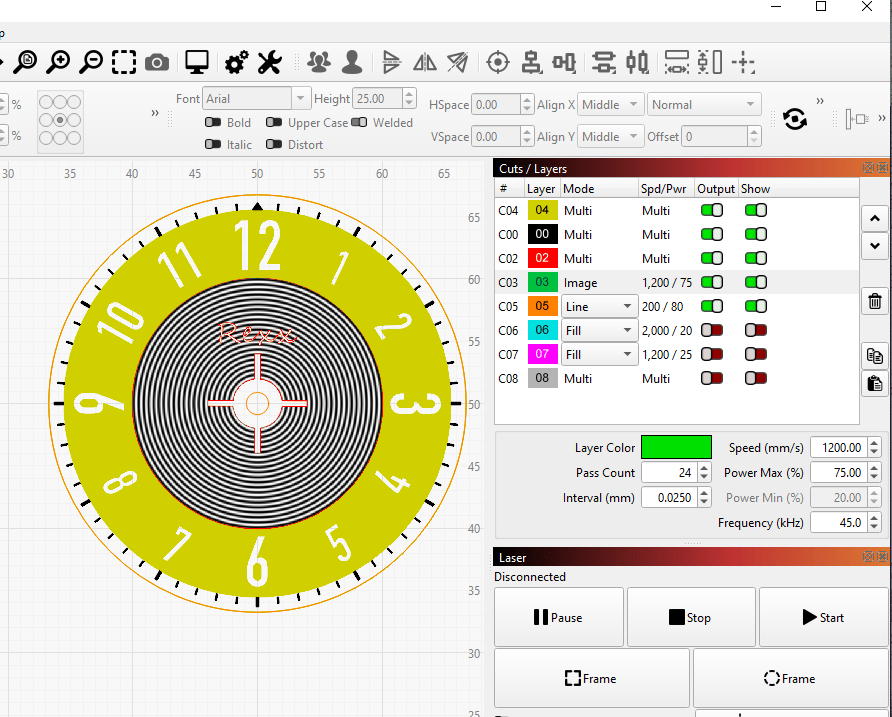
This stage lets the maker plan indices, logo placement, texture, negative space, date window position, and engraving depth before metal is touched.
Dial design is where the watch starts becoming personal. It is also where many mistakes begin. A beautiful dial that does not work with the hands, case, or movement can still fail as a watch.
Laser Engraving and Workshop Dial Work
Once the design is finalized, the dial can move into production. Independent workshops often use fiber laser engraving machines to carve textures, indices, logos, and details directly into metal.
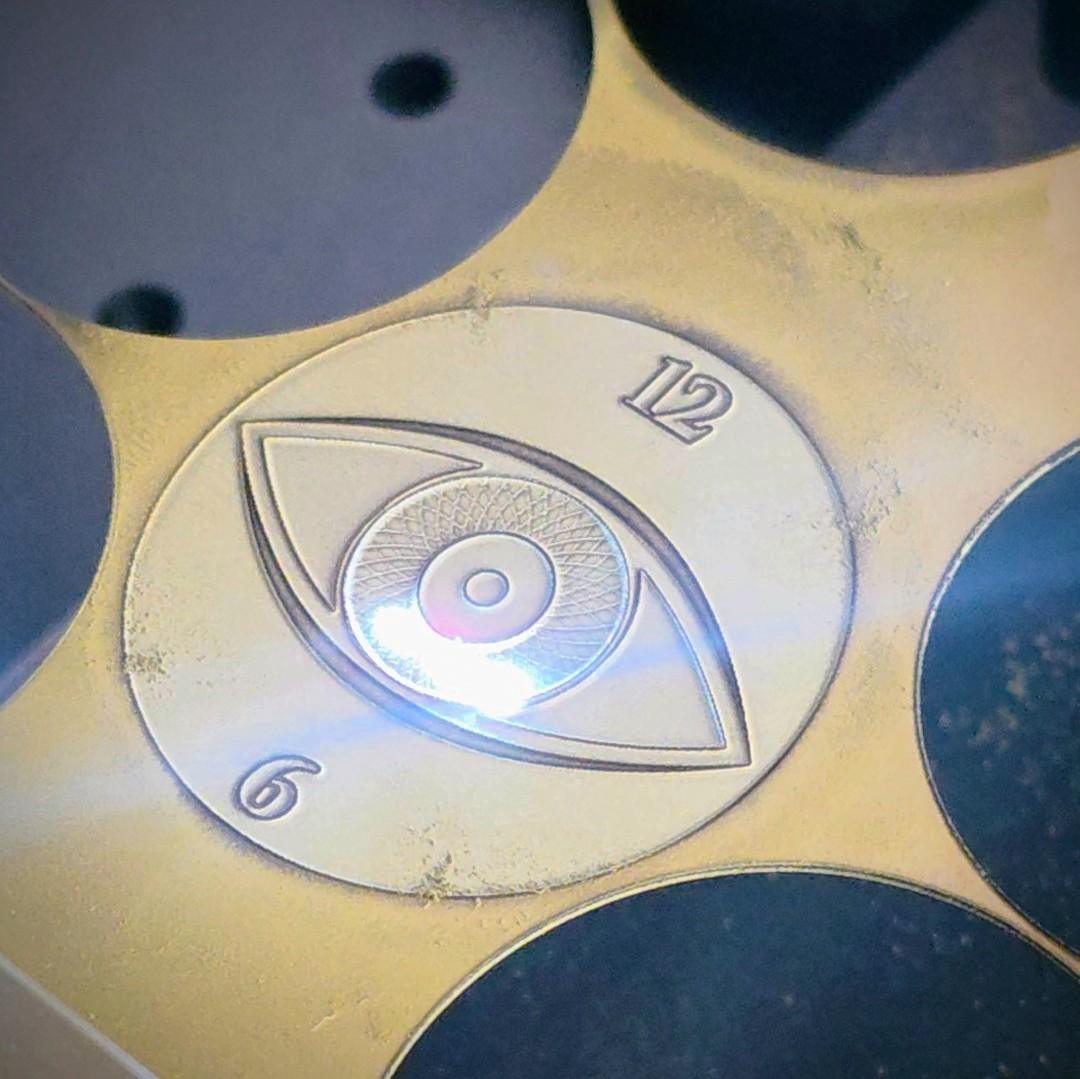
Laser engraving allows extremely fine patterns that would be difficult to achieve with simple printed dial methods. After engraving, the dial may move into coloring, polishing, brushing, sealing, aging, or other hand finishing steps.
For a deeper look at this side of the craft, read How Custom Watch Dials Are Made.
Reverse Etching: A Different Approach to Indices
Traditional watch dials often use applied indices with metal feet installed into drilled holes. Smaller independent workshops sometimes use a different technique called reverse etching.
Instead of adding markers, the surrounding material is engraved away, leaving the indices raised. This can create strong alignment and a sculpted look without requiring separate applied components.
Hand Finishing: Where Each Dial Becomes Unique
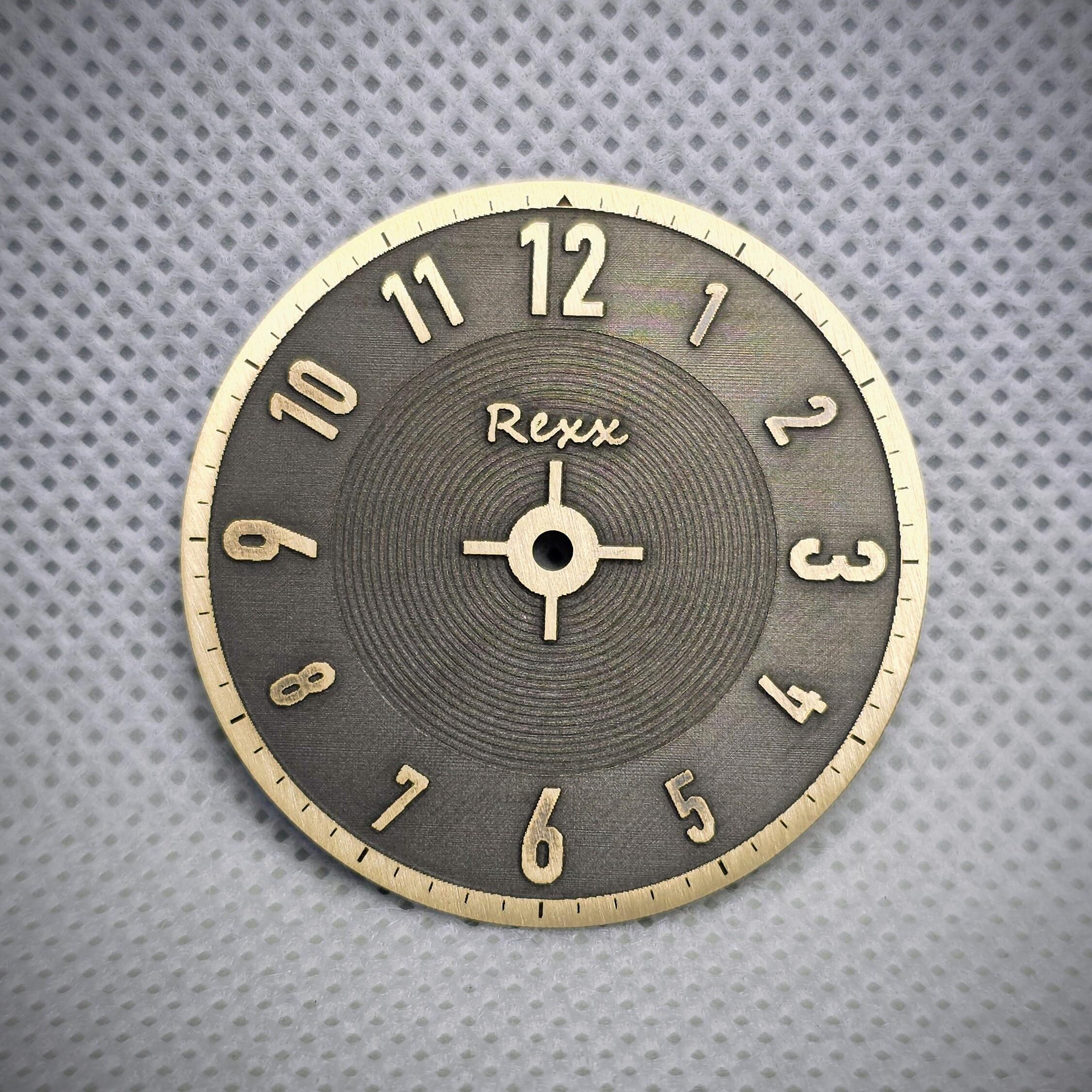
Even with advanced tools, a large part of dial making still happens by hand. After engraving, dials can go through micro sanding, brushing, polishing, coloring, aging, masking, or surface treatment.
This is where two similar designs begin to separate. Small variations in finishing can change how the dial catches light and how the watch feels on the wrist.
Assembling the Custom Watch
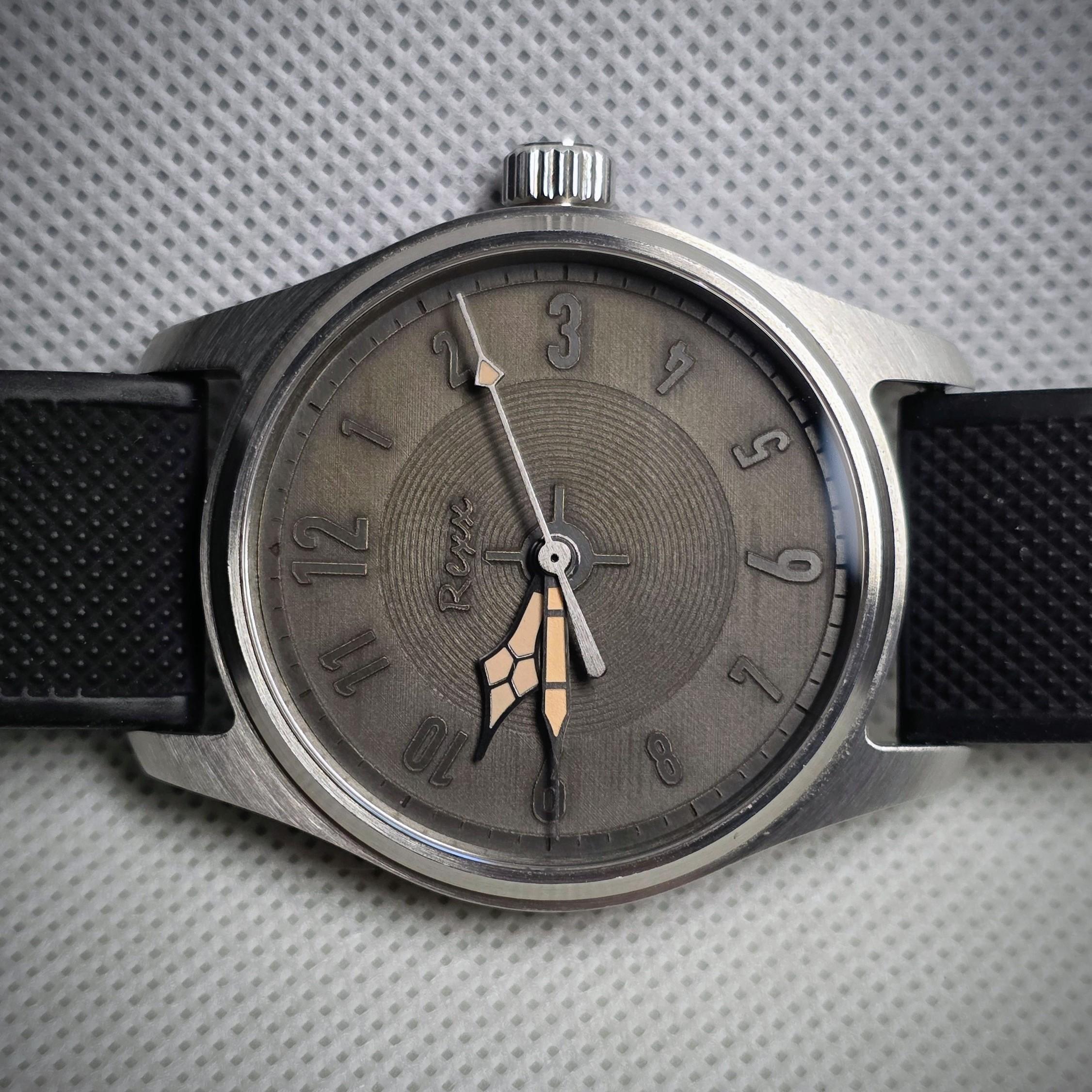
Once the dial is complete, it becomes part of the full watch build. The dial is mounted to the movement, the hands are installed, and the movement is cased.
This stage requires precision. Dust, hand alignment, stem trimming, gasket seating, and caseback tightening all matter. A good-looking build can still be ruined by careless assembly.
Should You Build It Yourself or Work With a Builder?
Building a watch yourself is rewarding, but it is not the only serious path. Some people want to learn the craft. Others want a finished custom watch with less risk.
Building it yourself makes sense if you enjoy tools, patience, trial and error, and learning through mistakes. Working with a builder makes sense if the design matters more than the learning process, or if the project involves custom dials, expensive parts, or finishing work that requires experience.
For a realistic breakdown, read Should You Build Your Own Watch?.
The Workshop Side of Watch Modding
Behind many custom watches is not a factory, but a workshop. That matters because the best modding decisions often come from handling real parts, making mistakes, and seeing what actually works on the bench.
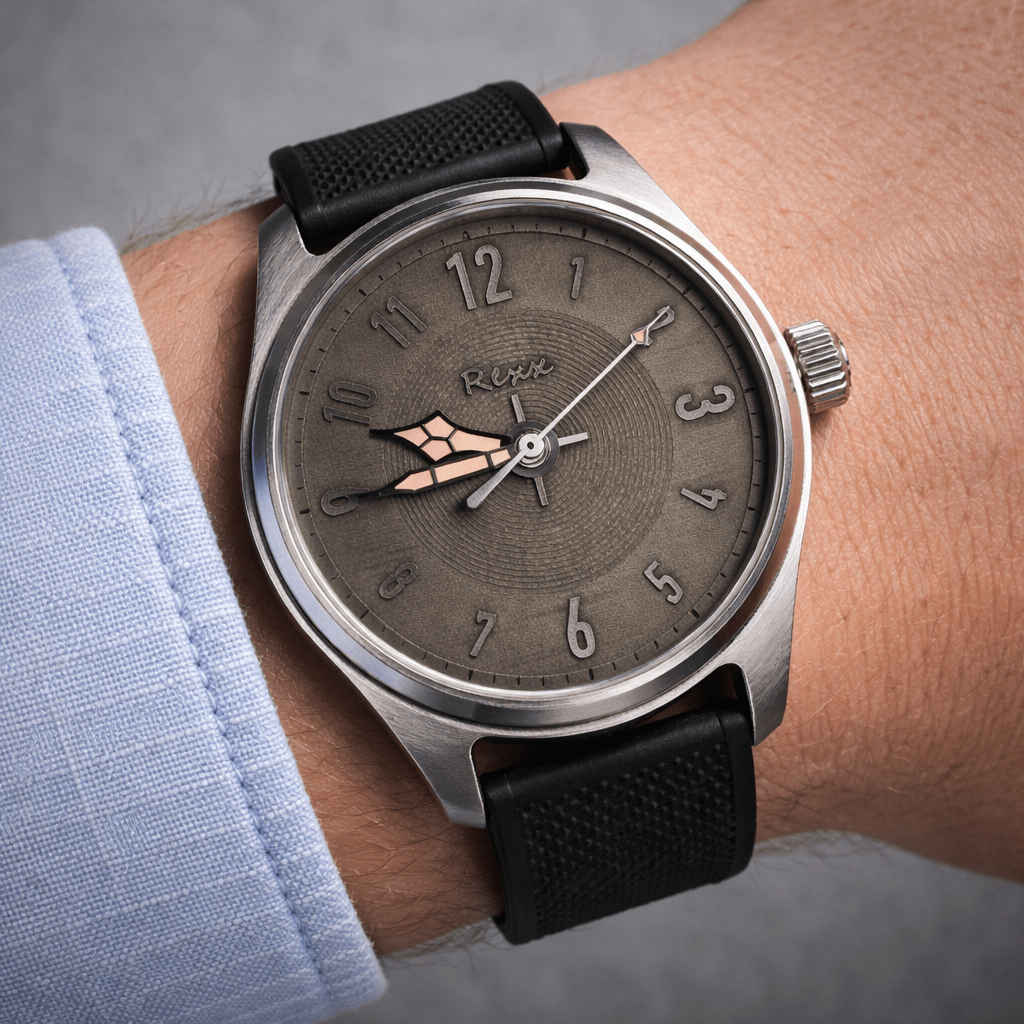
At Rexx Timepieces, custom watches, dial work, and build decisions are connected to real workshop processes: design, engraving, finishing, assembly, testing, and correction.
Dial experiments, engraved objects, and small workshop-made pieces also connect to Rexx StudioWorks, where materials and techniques can be explored before they become part of a full watch.
For refined mechanical watches inspired by smaller proportions and controlled design, Meshberg Watches shows another side of the same ecosystem: quiet independent watch design, small-batch production, and handcrafted dial ideas.
Where to Go Next
If you are new to watch modding, use this page as the starting point. Then move through the cluster based on what you want to learn next:
- Best Seiko Mods You Can Actually Build for realistic build directions.
- How to Build a Seiko Mod for the step-by-step process.
- Best Tools for Seiko Modding for the workbench setup.
- Best Seiko Mod Parts for choosing compatible components.
- How Custom Watch Dials Are Made for the dial-making process.
- Common Seiko Modding Mistakes for the problems that ruin otherwise promising builds.
Final Thoughts
Watch modding is not just about changing parts. It is about changing how you see watches.
Once you understand how a watch is built, it stops being only a product. It becomes a platform for design, craft, problem solving, and personal expression.
For many enthusiasts, that is where the real journey begins.