
What Is Watch Modding? A Beginner’s Guide to Custom Watches
Watch modding is one of the fastest-growing movements in modern horology. From simple dial swaps to fully customized builds, enthusiasts around the world are transforming watches into unique pieces of personal expression. In this guide we explain what watch modding is, why it became so popular, and how independent workshops create custom timepieces.
What Is Watch Modding?
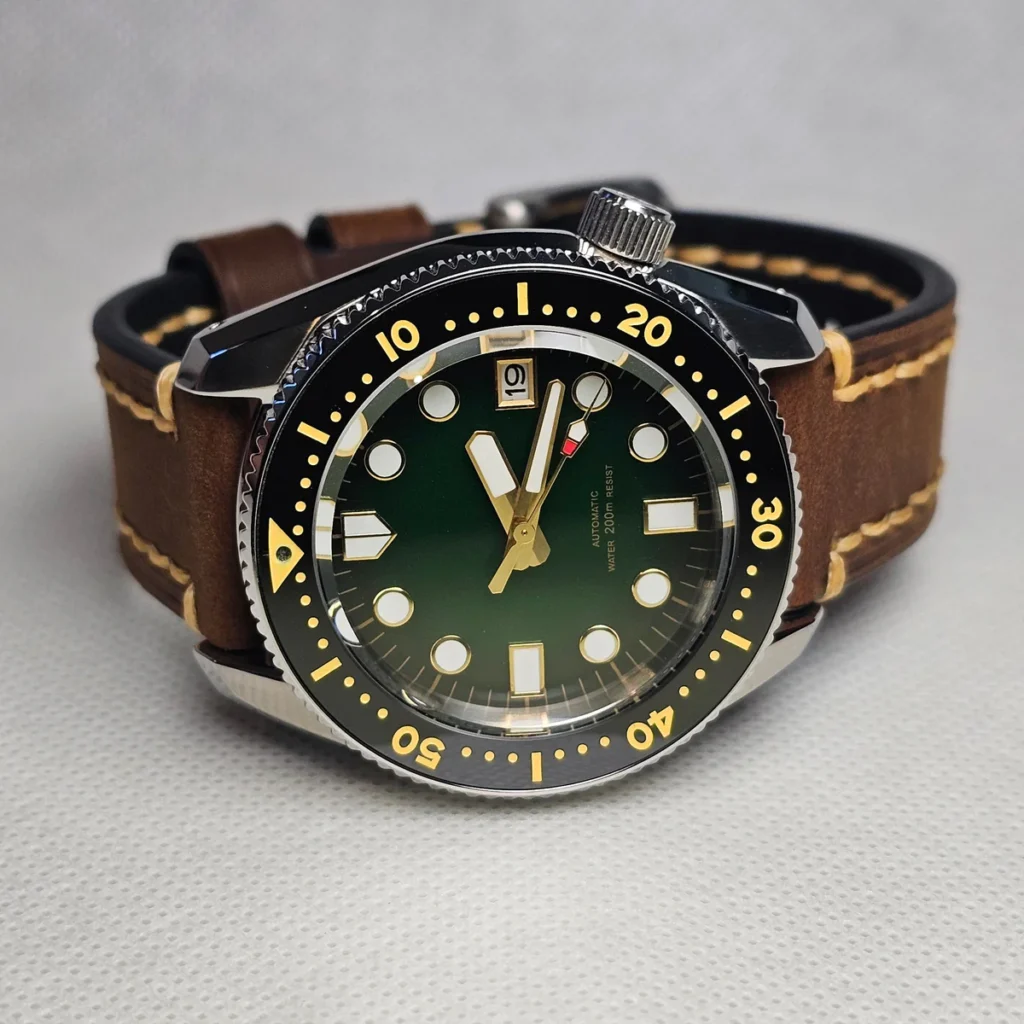
Watch modding refers to modifying or customizing an existing watch by replacing components such as the dial, hands, bezel, case, or even the movement itself. Instead of wearing a mass-produced watch identical to thousands of others, collectors can create something entirely unique.
Some mods are simple cosmetic changes, while others involve complete builds where every component is carefully selected and assembled. For many enthusiasts, modding becomes a gateway into the deeper world of watchmaking.
Why Watch Modding Became So Popular
- Personal expression — every watch can be unique
- Creative freedom — endless combinations of dials, hands, and cases
- Learning watchmaking — understanding how mechanical watches work
- Collector culture — building something truly personal
What started as a hobby among enthusiasts has grown into a global community of modders, collectors, and independent watchmakers.
Designing a Custom Watch Dial
One of the most important elements in watch modding is the dial. The dial defines the entire personality of the watch — its texture, typography, and visual identity.
Most modern custom dials begin as a digital design created in CAD or engraving software before moving to production.
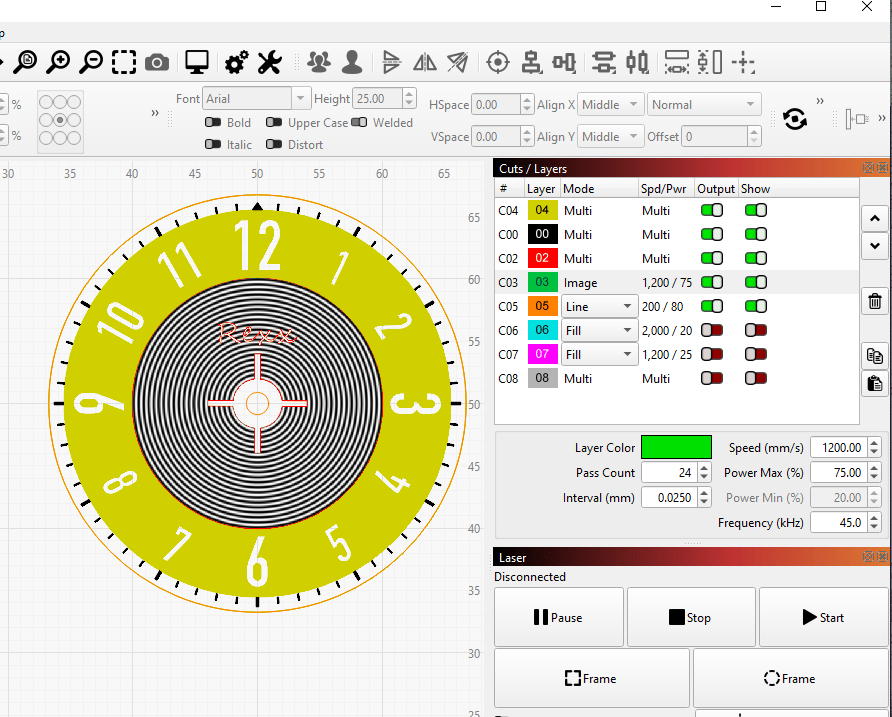
This stage allows the maker to carefully plan every element — the indices, logo placement, textures, and engraving depth.
Laser Engraving the Dial
Once the design is finalized, the dial can move into production. Many independent workshops use fiber laser engraving machines to carve intricate textures and details directly into metal dials.
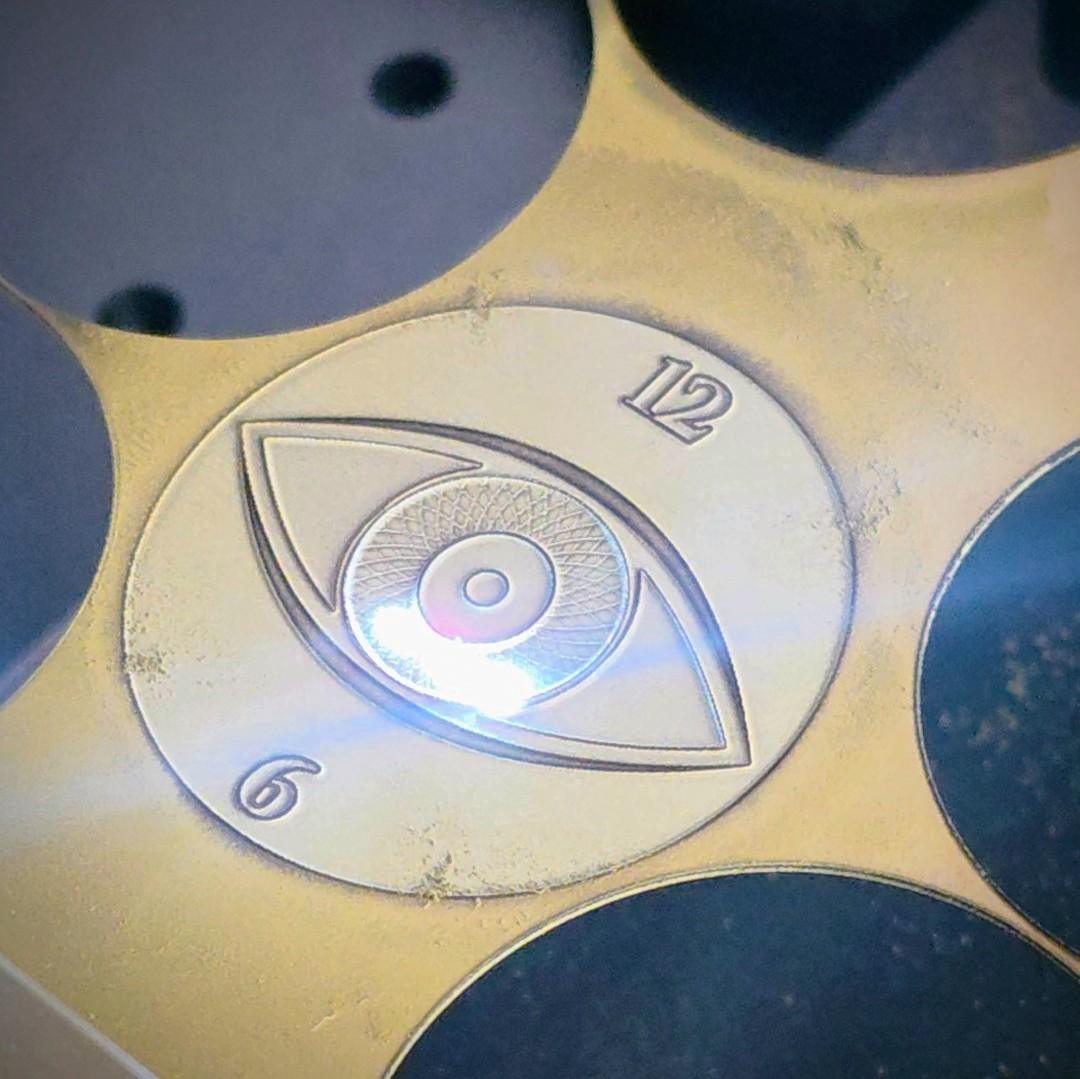
Laser engraving allows extremely fine patterns that would be difficult or impossible to achieve with traditional stamping methods. After engraving, the dial often moves to finishing stages including surface treatments, coloring, or polishing.
Reverse Etching: A Different Approach to Indices
Traditional watch dials often use applied indices with small metal feet that must be installed into drilled holes in the dial. However, smaller independent workshops sometimes use a different technique called reverse etching.
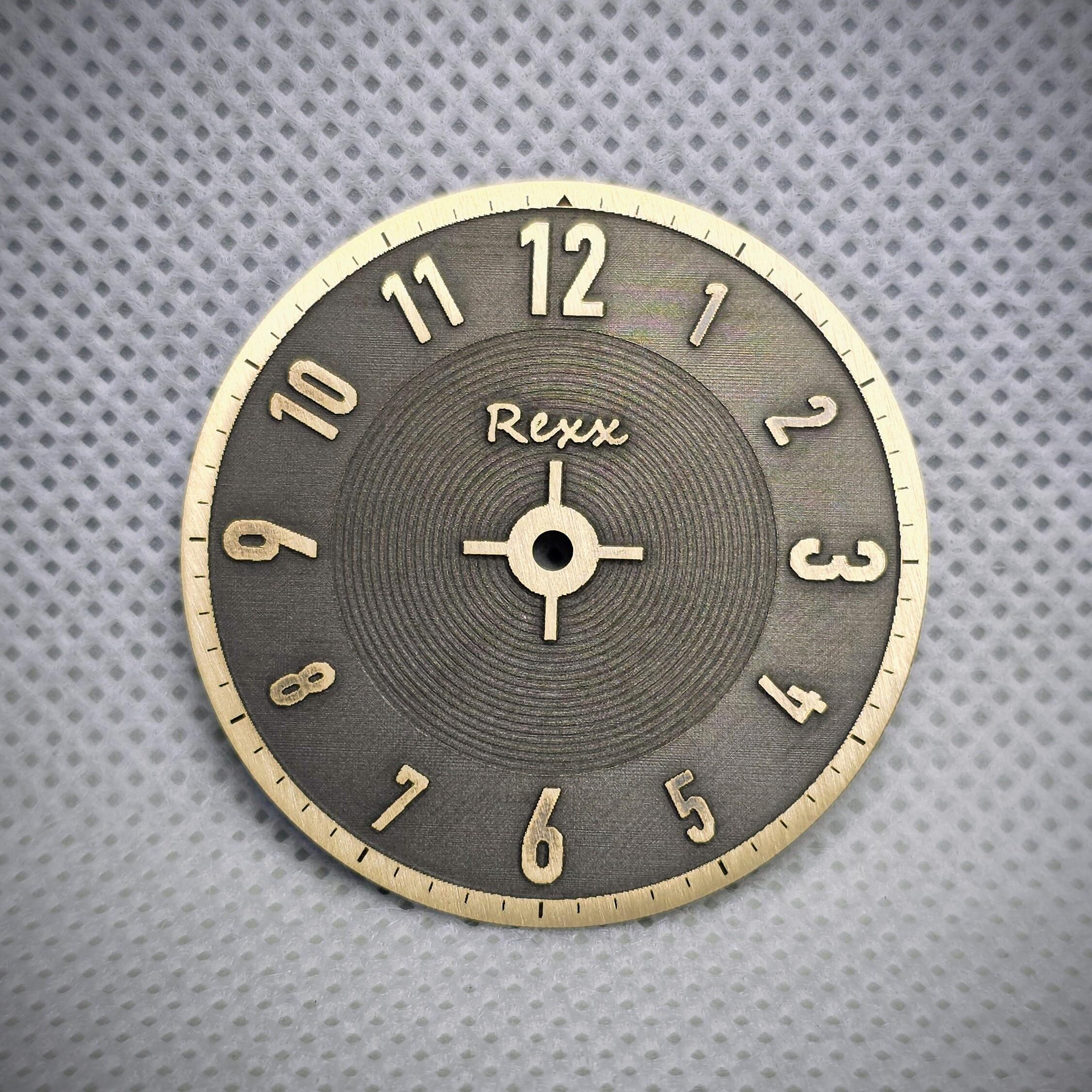
In this process, the surrounding material is engraved away while the indices and logos remain raised. This creates perfectly aligned markers without requiring separate components to be installed.
The result is extremely precise and particularly well suited for laser-engraved dial production.
Hand Finishing: Micro Sanding and Manual Polishing
Even with advanced tools, a large part of dial making still happens by hand.
After engraving, many dials go through manual finishing steps such as micro sanding and polishing. These processes help smooth the surface, soften engraving marks, and bring out the depth of the texture.
Hand finishing gives independent dials their unique character and ensures that each piece has subtle individuality.
Assembling the Custom Watch
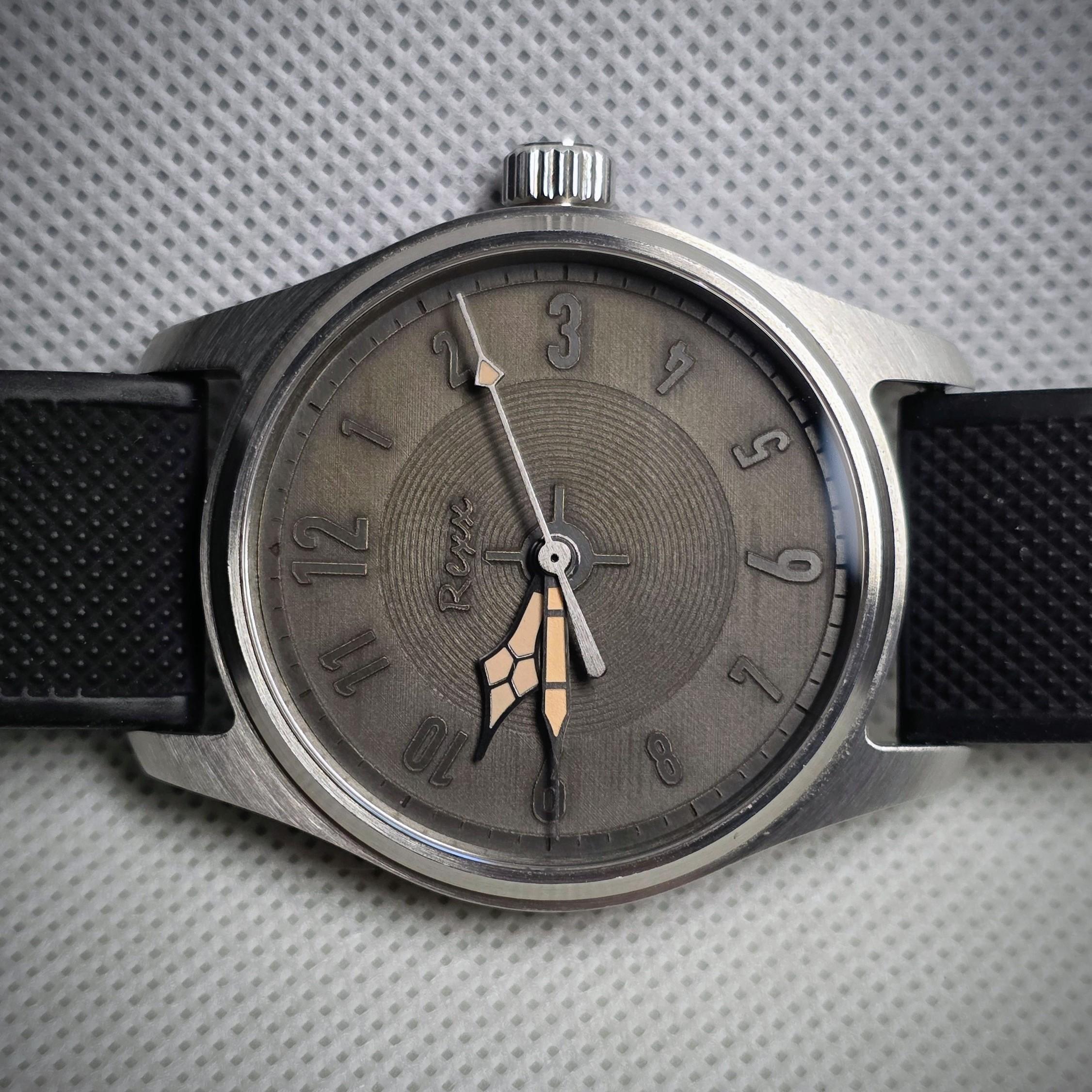
Once the dial is complete, it becomes part of the watch assembly process. The dial is mounted onto the movement, hands are installed, and the entire mechanism is placed into the case.
At this stage the watch begins to take its final form.
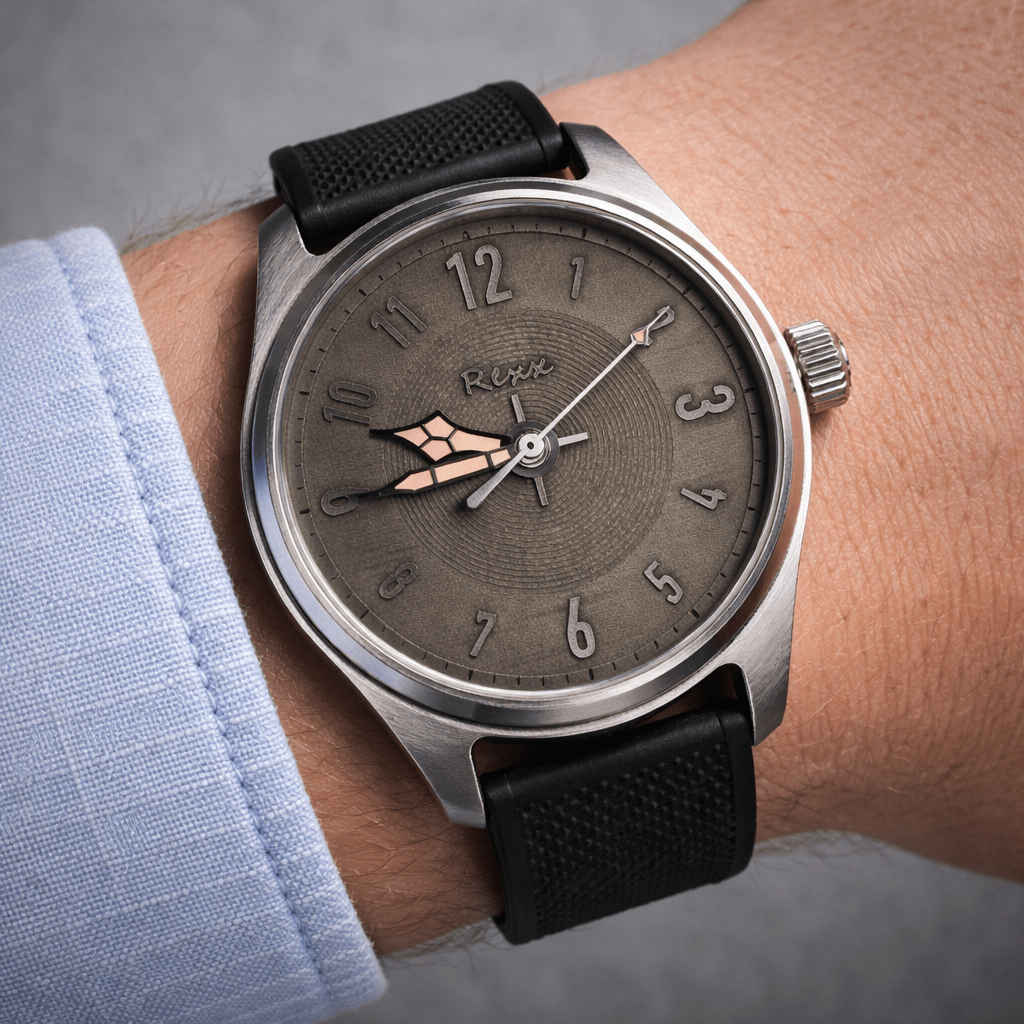
The Result: A Unique Custom Watch
The finished watch represents hours of design, machining, and hand finishing. Unlike factory-produced watches, each custom build reflects the creativity of its maker.
Independent Watchmaking and Custom Builds
Many custom watches are created by independent workshops that combine traditional watchmaking techniques with modern tools like laser engraving and CNC machining.
You can explore examples of custom builds and dial creation through the independent studio Rexx Timepieces, where many of the watches and dials shown in this guide were produced.
For those interested in refined mechanical watches inspired by classic proportions, the Meshberg 37 Automatic collection offers a modern interpretation of traditional watch design.
Learn More About Custom Watchmaking
If you’d like to dive deeper into how watch dials are created, read our full guide:
How Custom Watch Dials Are Made
You can also explore more articles about independent dial makers and watch design here on The Watcher HQ.

Pingback: Seiko Mods: The Gateway to Custom Watches