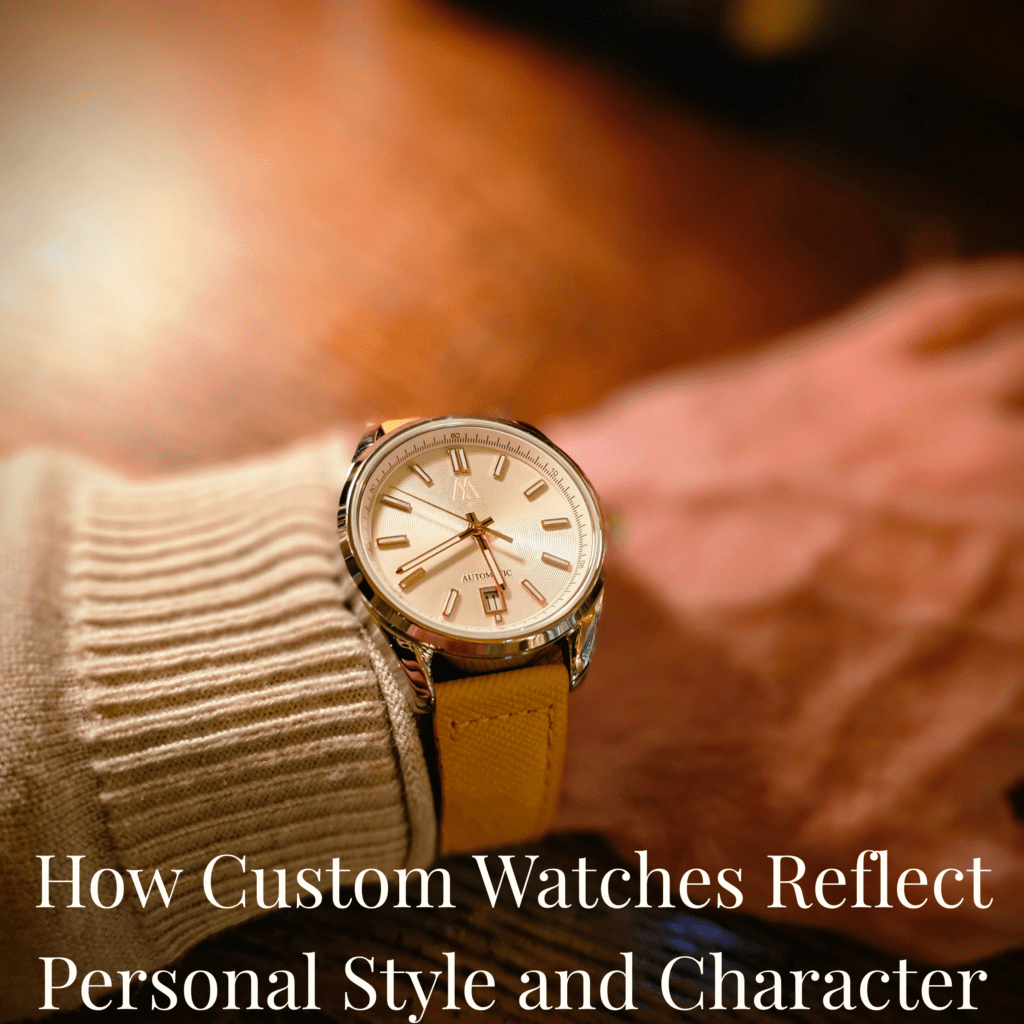
The Ritual of Wearing a Watch: Why It Still Matters in a Digital World
Introduction
In an age where every smartphone displays the time with atomic precision, wearing a wristwatch is no longer a necessity.
And yet, millions of people still choose to wear one every day.
This choice is not purely practical. It is psychological. Cultural. Personal. Wearing a watch has become less about knowing the time — and more about how we relate to it.
Understanding the psychology of wearing a watch reveals something deeper than convenience. It reveals identity, intention, and ritual.
Why We Still Wear Watches in the Age of Smartphones
If checking the time were the only goal, a smartphone would be more than enough. It is always nearby, always connected, and always accurate.
But checking a phone is not a neutral action. It comes with notifications, distractions, and digital noise. A watch, in contrast, offers frictionless access to time. A glance. A gesture. Nothing more.
In this sense, wearing a watch becomes a quiet act of control. It separates the act of reading time from the digital ecosystem surrounding it.
That separation matters more than we often admit.
The Psychology of Wearing a Watch
The psychology of wearing a watch is rooted in awareness.
A watch sits on the wrist — in constant physical contact with the body. It has weight, temperature, texture. It is not a background app. It is a tangible object reminding us of time’s presence.
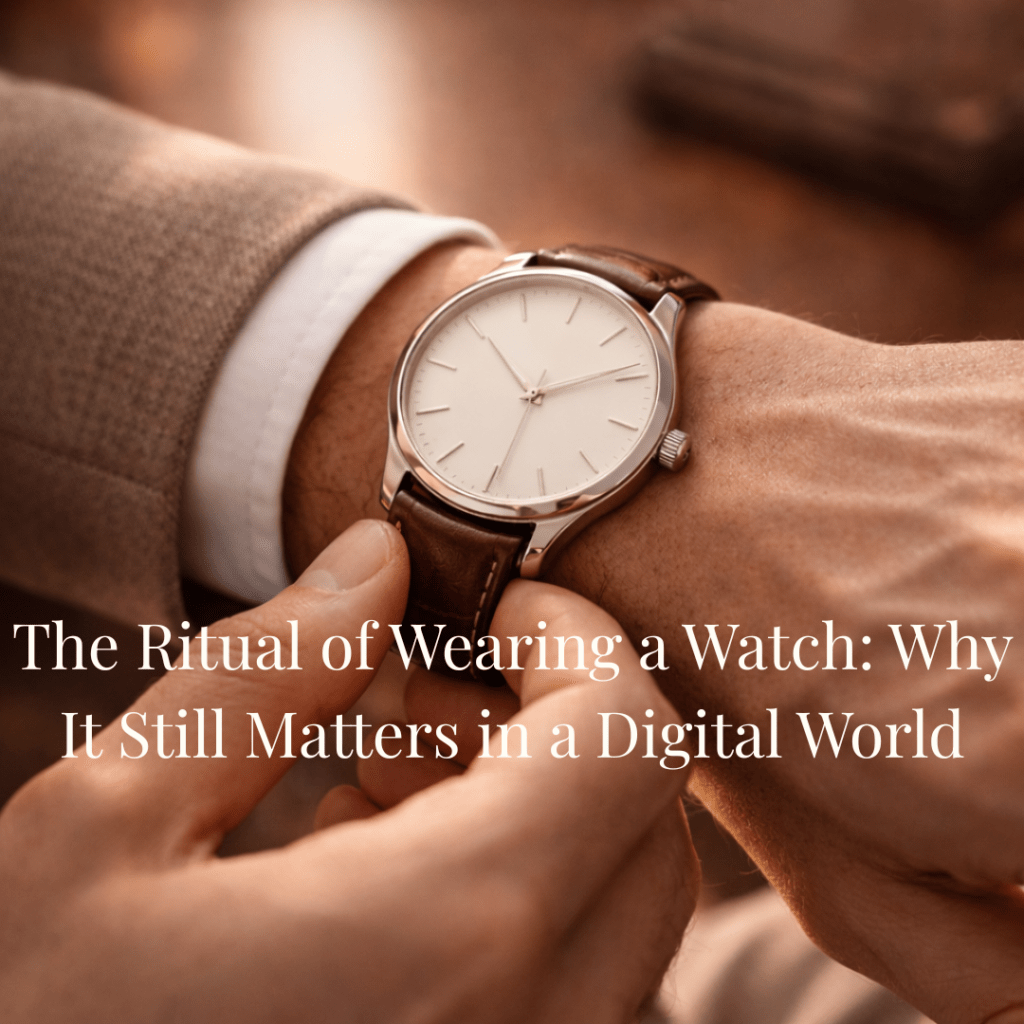
This physical proximity creates a different relationship with time:
- Time feels deliberate, not passive
- Checking the hour feels intentional, not reactive
- Awareness replaces interruption
Many people describe feeling “more grounded” or “more structured” when wearing a watch. Whether mechanical, quartz, or automatic, the act of strapping it on often marks the beginning of a day with purpose.
It is a small ritual — but rituals shape behavior.
Watches as Identity Markers

Beyond utility, watches function as symbols.
Unlike most accessories, a watch communicates without effort. It can suggest:
- Minimalism
- Technical interest
- Tradition
- Professionalism
- Adventure
- Creativity
A rugged tool watch signals something different from a slim dress watch. A vintage-inspired piece suggests different values than a modern industrial design.
Because a watch is worn daily, it becomes part of how a person presents themselves — sometimes consciously, sometimes not.
In this way, watches and identity are closely connected. The choice of what sits on the wrist becomes a quiet statement of taste and priorities.
The Physical Ritual: Touch, Weight, Presence
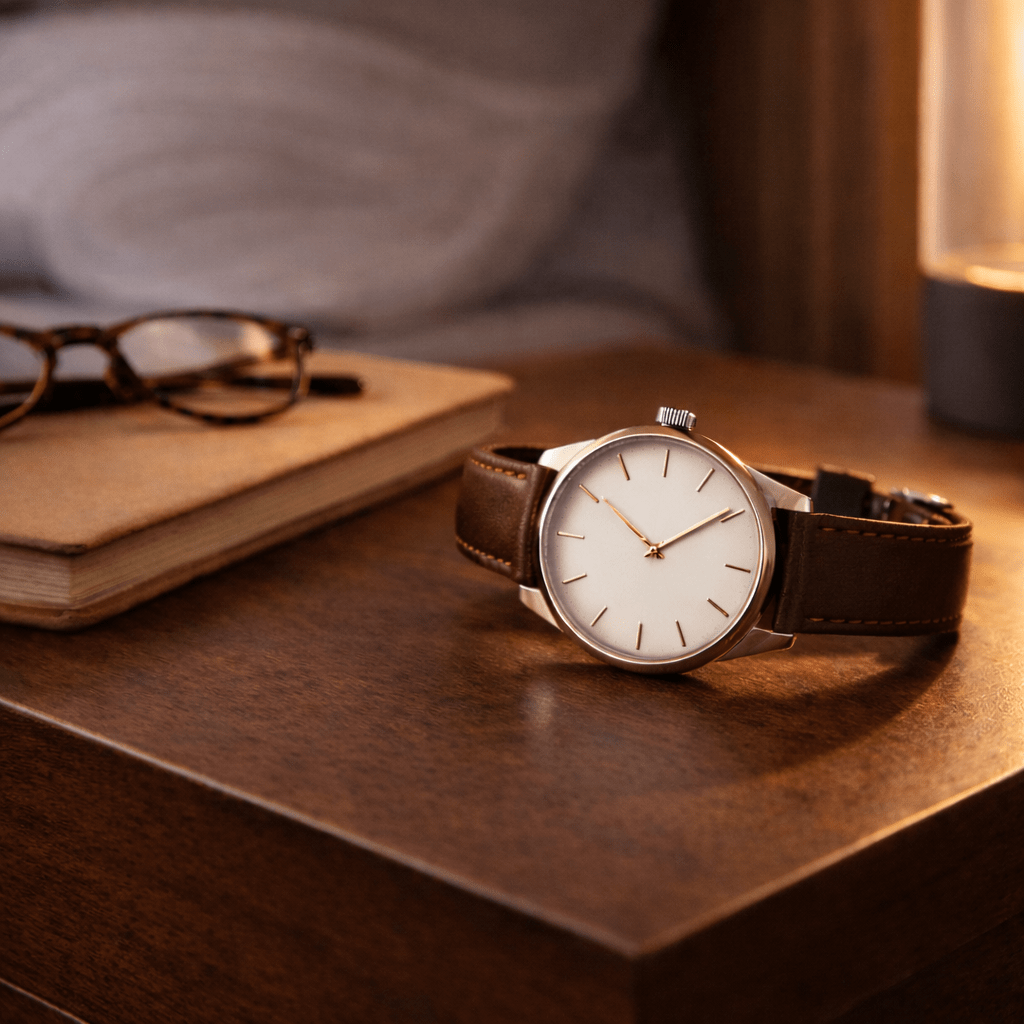
There is a physical dimension to wearing a watch that digital devices cannot replicate.
The sensation of fastening a clasp.
The weight of a steel bracelet.
The smoothness of a leather strap.
The subtle movement of a rotor inside an automatic movement.
These tactile elements reinforce the ritual.
For many collectors, the morning routine includes choosing which watch to wear — a decision influenced by mood, setting, or intention. This daily selection turns a functional object into a personal ritual.
Ritual creates meaning. And meaning creates attachment.
Control Over Time vs. Passive Time
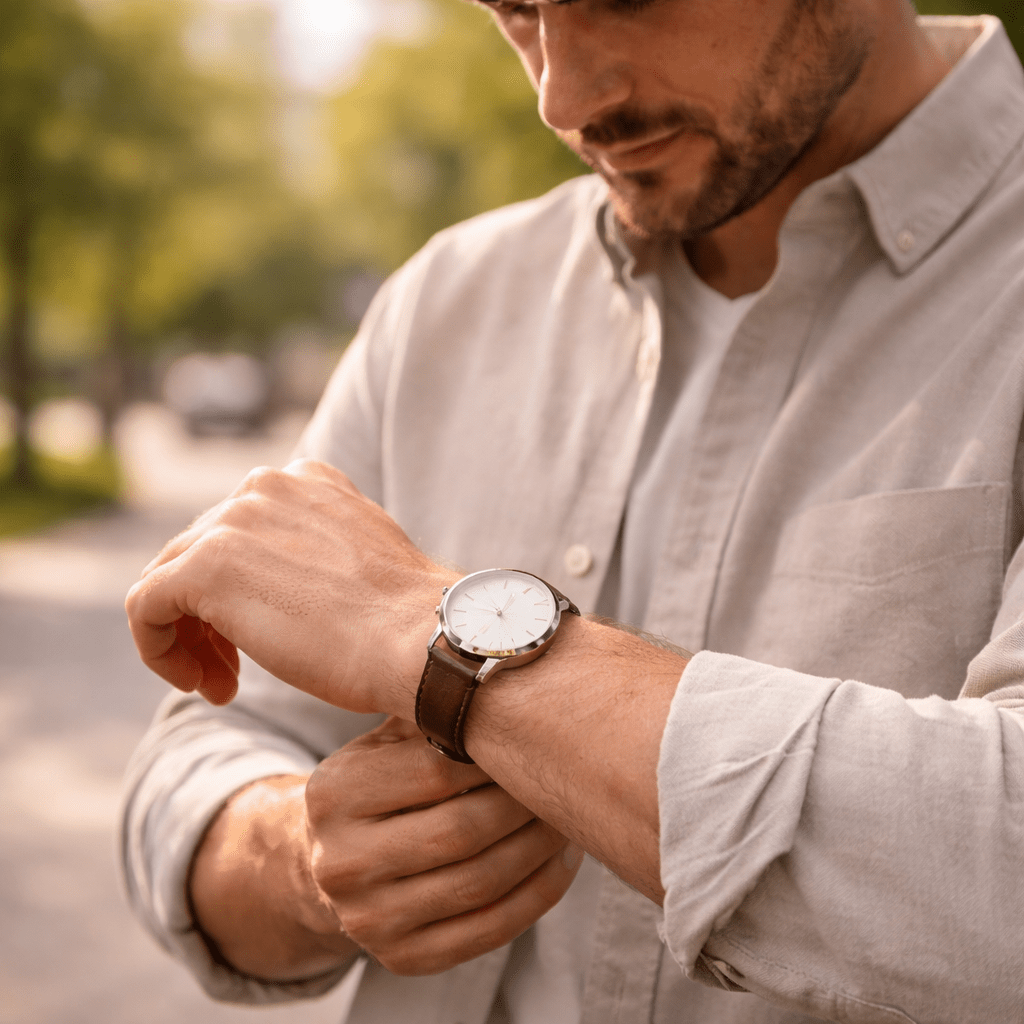
When we check the time on a phone, we often fall into passive time — scrolling, notifications, distraction.
A watch interrupts that pattern.
It allows time to be observed without inviting the digital world in. The boundary between “knowing the hour” and “entering the feed” becomes clear.
In a world where attention is fragmented, wearing a watch can be a subtle act of reclaiming focus.
It is not about nostalgia. It is about autonomy.
Why This Ritual Will Not Disappear
Some predicted that wristwatches would fade away with the rise of smartphones. Instead, interest in mechanical watches, microbrands, and independent craftsmanship continues to grow.
Why?
Because watches have moved beyond pure function.
They represent:
- Mechanical artistry
- Appreciation for design
- Personal milestones
- Cultural continuity
The ritual of wearing a watch satisfies something that technology alone cannot — a desire for tangible connection in an increasingly intangible world.
As long as people seek identity, structure, and meaning in their daily lives, the psychology of wearing a watch will remain relevant.
Conclusion
Wearing a watch today is rarely about necessity. It is about intention.
It is the ritual of fastening something purposeful to the wrist.
It is the decision to engage with time consciously rather than passively.
It is a reflection of identity expressed through design and craftsmanship.
In a digital world overflowing with information, the simple act of wearing a watch remains a quiet declaration: time matters — and how we experience it matters even more.
The psychology of wearing a watch is not about nostalgia — it is about intention.